Ancient Japan (660 BCE – 539 CE)
Heads of State of Ancient Japan
History
List of Emperors of Japan (Tennō, 天皇)
Name
Dynasty
Dates
Emperor Jimmu (Jinmu-tennō, 神武天皇)
Date of birth/date of death: b. 721 or 711 BCE; d. 585 BCE.
Imperial House of Japan
660 BCE – 585 BCE
Emperor Suizei (Suizei-tennō, 綏靖天皇)
Date of birth/date of death: b. 632 BCE; d. 549 BCE.
Imperial House of Japan
581 BCE – 549 BCE
Emperor Annei (Annei-tennō, 安寧天皇)
Date of birth/date of death: b. 567 BCE; d. 511 BCE.
Imperial House of Japan
549 BCE – 511 BCE
Emperor Itoku (Itoku-tennō, 懿徳天皇)
Date of birth/date of death: b. 553 BCE; d. 477 BCE.
Imperial House of Japan
510 BCE – 477 BCE
Emperor Kōshō (Kōshō-tennō, 孝昭天皇)
Date of birth/date of death: b. 501 BCE; d. 393 BCE.
Imperial House of Japan
475 BCE – 393 BCE
Emperor Kōan (Kōan-tennō, 孝安天皇)
Date of birth/date of death: b. 427 BCE; d. 291 BCE.
Imperial House of Japan
393 BCE – 291 BCE
Emperor Kōrei (Kōrei-tennō, 孝霊天皇)
Date of birth/date of death: b. 342 BCE; d. 215 BCE.
Imperial House of Japan
290 BCE – 215 BCE
Emperor Kōgen (Kōgen-tennō, 孝元天皇)
Date of birth/date of death: b. 273 BCE; d. 158 BCE.
Imperial House of Japan
214 BCE – 158 BCE
Emperor Kaika (Kaika-tennō, 開化天皇)
Date of birth/date of death: b. 208 BCE; d. 98 BCE.
Imperial House of Japan
158 BCE – 98 BCE
Emperor Sujin (Sujin-tennō, 崇神天皇)
Date of birth/date of death: b. 148 BCE; d. 30 BCE.
Imperial House of Japan
97 BCE – 30 BCE
Emperor Suinin (Suinin-tennō, 垂仁天皇)
Date of birth/date of death: b. 69 BCE; d. 70.
Imperial House of Japan
29 BCE – 70
Emperor Keikō (Keikō-tennō, 景行天皇)
Date of birth/date of death:
Born 13 BCE. Died 130.
Imperial House of Japan
71 – 130
Emperor Seimu (Seimu-tennō, 成務天皇)
Date of birth/date of death:
Born 84. Died 190.
Imperial House of Japan
131 – 190
Emperor Chūai (Chūai-tennō, 仲哀天皇)
Date of birth/date of death:
Born 149. Died 200.
Imperial House of Japan
192 – 200
Empress Jingū (Jingū Kōgō, 神功皇后)
Date of birth/date of death:
Born 169. Died 269.
Imperial House of Japan
201 – 269
Emperor Ōjin (Ōjin-tennō, 応神天皇)
Date of birth/date of death:
Born 201. Died 310.
Imperial House of Japan
270 – 310
Emperor Nintoku (Nintoku-tennō, 仁徳天皇)
Date of birth/date of death:
Born 290. Died 399.
Imperial House of Japan
313 – 399
Emperor Richū (Richū-tennō, 履中天皇)
Date of birth/date of death:
Born 336. Died 405.
Imperial House of Japan
400 – 405
Emperor Hanzei (Hanzei-tennō, 反正天皇)
Date of birth/date of death:
Born 352. Died 410.
Imperial House of Japan
406 – 410
Emperor Ingyō (Ingyō-tennō, 允恭天皇)
Date of birth/date of death:
Born 373-375. Died 453.
Imperial House of Japan
412 – 453
Emperor Ankō (Ankō-tennō, 安康天皇)
Date of birth/date of death:
Born 400. Died 456.
Imperial House of Japan
453 – 456
Emperor Yūryaku (Yūryaku-tennō, 雄略天皇)
Date of birth/date of death:
Born 417/418. Died 479.
Imperial House of Japan
456 – 479
Emperor Seinei (Seinei-tennō, 清寧天皇)
Date of birth/date of death:
Born 444. Died 484.
Imperial House of Japan
480 – 484
Emperor Kenzō (Kenzō-tennō, 顕宗天皇)
Date of birth/date of death:
Born 449/450. Died 487.
Imperial House of Japan
485 – 487
Emperor Ninken (Ninken-tennō, 仁賢天皇)
Date of birth/date of death:
Born 449. Died 498.
Imperial House of Japan
488 – 498
Emperor Buretsu (Buretsu-tennō, 武烈天皇)
Date of birth/date of death:
Born 489. Died 507.
Imperial House of Japan
499 – 507
Emperor Keitai (Keitai-tennō, 継体天皇)
Date of birth/date of death:
Born 450. Died 531.
Imperial House of Japan
507 – 531
Emperor Ankan (Ankan-tennō, 安閑天皇)
Date of birth/date of death:
Born 466. Died 536.
Imperial House of Japan
531 – 536
Emperor Senka (Senka-tennō, 宣化天皇)
Date of birth/date of death:
Born 466. Died 539.
Imperial House of Japan
536 – 539
Notes and References
[1] Nussbaum, Louis Frédéric (2002). Japan Encyclopedia. Harvard University Press, p. 420.
The Edo Period (1603 – 1868)
Heads of State of Japan in the Edo Period
The emperor in Kyoto remained a largely-ceremonial figurehead throughout most of the Edo period, with the Tokugawa shoguns exercising de facto control over both Japan and the imperial court itself. A code of procedure, the Kinchū narabi ni kuge shohatto, was issued in 1615 by the shogunate which established that the emperor was to confine their activities to the cultural realm, even specifying what color of clothing was to be worn at court.1 The Purple Robe Incident of 1627, in which the shogunate overruled a decree from Emperor Go-Mizunoo allowing certain monks to wear purple robes, was a sharp illustration of the balance of power between the imperial and shogunate courts.
That was an incident made noteworthy by its rarity, however, and in general emperor and shogun in the Edo period are better seen as reinforcing one another. The peace brought by the bakufu made possible the flourishing of cultural life at the imperial court, and this period saw the revival of old rituals such as the Daijōsai that had fallen into abeyance during the period of turmoil preceding Tokugawa rule. The imperial court in turn gave honors to the bakufu and lent Japan’s military rulers its prestige.2
This prestige, and the legitimacy and wide respect for the institution of the emperor, made it a focus of attention during the growing political turmoil of the Bakumatsu period. During the process of ratifying the Treaty of Amity and Commerce (better known as the Harris Treaty) with the United States in 1858, it was explained to the American delegation by bakufu officials that the approval of the emperor in Kyoto would be needed before the treaty could be ratified. (This came as a surprise to the Americans, who like many foreigners in Japan at that time saw the emperor as occupying more of a religious role).3
The Emperor Kōmei was reluctant to approve the treaty, but ultimately acquiesced to the shogunate’s wishes on the matter. From that point on, however, the emperor began to step out of the background on political matters, expressing strong anti-western sentiment. This culminated in his edict of 1863, the order to expel barbarians (jōi chokumei). The shogunate now held too weak a position both with respect to the foreign powers and within Japan itself to actually carry out this order even if it wished to. By the time Emperor Kōmei died in 1867, the groundwork had been laid for his successor Emperor Meiji to take on a much larger political role.
List of Emperors of Japan (Tennō, 天皇)
Name (personal name in brackets)
Dynasty
Dates
Emperor Go-Yōzei (Katahito)
Date of birth/date of death: b. December 31 1571; d. September 25 1617.
Imperial House of Japan
December 17 15864 – May 9 1611
Emperor Go-Mizunoo (Kotohito)
Date of birth/date of death: b. June 29 1596; d. September 11 1680.
Imperial House of Japan
May 9 1611 – December 22 1629
Empress Meisho (Okiko)
Date of birth/date of death: b. January 9 1624; d. December 4 1696.
Imperial House of Japan
December 22 1629 – November 14 1643
Emperor Go-Kōmyō (Tsuguhito)
Date of birth/date of death: b. April 20 1633; d. October 30 1654.
Imperial House of Japan
November 14 1643 – October 30 1654
Emperor Go-Sai (Nagahito)
Date of birth/date of death: b. January 1 1638; d. March 22 1685.
Imperial House of Japan
January 5 1655 – March 5 1663
Emperor Reigen (Satohito)5
Date of birth/date of death: b. July 9 1654; d. September 24 1732.
Imperial House of Japan
March 5 1663 – May 2 1687
Emperor Higashiyama (Asahito)
Date of birth/date of death: b. October 21 1675; d. January 16 1710.
Imperial House of Japan
May 2 1687 – July 27 1709
Emperor Nakamikado (Yasuhito)
Date of birth/date of death: b. January 14 1702; d. May 10 1737.
Imperial House of Japan
July 27 1709 – April 13 1735
Emperor Sakuramachi (Teruhito)
Date of birth/date of death: b. February 8 1720; d. May 28 1750.
Imperial House of Japan
April 13 1735 – June 9 1747
Emperor Momozono (Tōhito)
Date of birth/date of death: b. April 14 1741; d. August 31 1762.
Imperial House of Japan
June 9 1747 – 1762
Empress Go-Sakuramachi (Toshiko)6
Date of birth/date of death: b. September 23 1740; d. December 24 1813.
Imperial House of Japan
September 15 1762 – January 9 1771
Emperor Go-Momozono (Hidehito)
Date of birth/date of death: b. August 5 1758; d. December 16 1779.
Imperial House of Japan
January 9 1771 – December 16 1779
Emperor Kōkaku (Morohito)7
Date of birth/date of death: b. September 23 1771; d. December 11 1840.
Imperial House of Japan
December 16 1779 – May 7 1817
Emperor Ninkō (Ayahito)
Date of birth/date of death: b. March 16 1800; d. February 21 1846.
Imperial House of Japan
May 7 1817 – February 21 1846
Emperor Kōmei (Osahito)
Date of birth/date of death: b. July 22 1831; d. January 30 1867.
Imperial House of Japan
March 10 1846 – January 30 1867
Emperor Meiji (Mutsuhito)
Date of birth/date of death: b. November 3 1852; d. July 29 1912.
Imperial House of Japan
January 30 1867 – July 30 19128
Notes and References:
[1] Jansen, Marius B. The Making of Modern Japan. Harvard University Press, 2002.
[2] Jansen, 2002.
[3] Jansen, 2002.
[4] Emperor Go-Yōzei began his reign in the preceding Azuchi-Momoyama period and continued into the Edo period.
[5] Emperor Reigen was the last “cloistered emperor” in Japanese history. This had once been a somewhat common practice, in which an emperor who had formally abdicated became a Buddhist monk while often continuing to exercise power.
[6] As of 2026, Empress Go-Sakuramachi is the last woman to be empress regnant.
[7] Emperor Kōkaku was the last emperor to abdicate and go into retirement until Akihito did so in 2019.
[8] Emperor Meiji continued his reign into the subsequent Early Meiji period.
Heads of Government of Japan in the Edo Period
Name
Dynasty
Dates in Office
Tokugawa Ieyasu
Date of birth/date of death: b. January 31 1543; d. June 1 1615.
Tokugawa Shogunate
March 24 1603 – April 16 1605
Tokugawa Hidetada
Date of birth/date of death: b. May 2 1579; d. March 14 1632.
Tokugawa Shogunate
June 2 1605 – August 23 1623
Tokugawa Iemitsu
Date of birth/date of death: b. August 12 1604; d. June 8 1651.
Tokugawa Shogunate
August 23 1623 – June 8 1651
Tokugawa Ietsuna
Date of birth/date of death: b. September 7 1641; d. June 4 1680.
Tokugawa Shogunate
September 10 1651 – June 4 1680
Tokugawa Tsunayoshi
Date of birth/date of death: b. February 23 1646; d. February 19 1709.
Tokugawa Shogunate
August 12 1680 – February 19 1709
Tokugawa Ienobu
Date of birth/date of death: b. June 11 1662; d. November 12 1712.
Tokugawa Shogunate
May 11 1709 – November 12 1712
Tokugawa Ietsugu
Date of birth/date of death: b. August 8 1709; d. June 19 1716.
Tokugawa Shogunate
March 29 1713 – June 19 1716
Tokugawa Yoshimune
Date of birth/date of death: b. November 27 1684; d. July 12 1751.
Tokugawa Shogunate
September 3 1716 – October 20 1745
Tokugawa Ieshige
Date of birth/date of death: b. January 28 1712; d. July 13 1761.
Tokugawa Shogunate
October 31 1745 – June 25 1760
Tokugawa Ieharu
Date of birth/date of death: b. June 20 1737; d. September 17 1786.
Tokugawa Shogunate
October 31 1760 – June 25 1786
Tokugawa Ienari
Date of birth/date of death: b. November 18 1773; d. March 22 1841.
Tokugawa Shogunate
April 23 1787 – May 6 1837
Tokugawa Ieyoshi
Date of birth/date of death: b. June 22 1793; d. July 27 1853.
Tokugawa Shogunate
September 4 1837 – July 27 1853
Tokugawa Iesada
Date of birth/date of death: b. May 6 1824; d. August 14 1858.
Tokugawa Shogunate
November 12 1853 – August 14 1858
Tokugawa Iemochi
Date of birth/date of death: b. July 17 1846; d. August 29 1866.
Tokugawa Shogunate
August 14 1858 – August 29 1866
Tokugawa Yoshinobu
Date of birth/date of death: b. October 28 1837; d. November 22 1913.
Tokugawa Shogunate
August 29 1866 – November 19 1867
The Early Meiji Period (1868 – 1889)
Imperial Household Agency
Lord Keeper of the Privy Seal of Japan
Prince Sanjō Sanetomi
Date of birth/date of death: b. March 13 1837; d. February 18 1891.
1885 – 1891
Prince Katsura Tarō
Date of birth/date of death: b. January 4 1848; d. October 10 1913.
1912
General Prince Fushimi Sadanaru
Date of birth/date of death: b. June 9 1858; d. February 4 1923
1912 – 1915
Marquess Matsukata Masayoshi
Date of birth/date of death: b. February 25 1835; d. July 2 1924.
1917 – 1922
Viscount Saitō Makoto
Date of birth/date of death: b. October 27 1858; d. February 26 1936.
1935 – 1936
Minister of the Right
Sanjō Sanetomi
Date of birth/date of death: b. March 13 1837; d. February 18 1891.
1869 – 1871
President of the Privy Council of Japan
Count Itō Hirobumi
Date of birth/date of death: b. October 16 1841; d. October 26 1909.
1888 – 1889
Count Ōki Takatō
Date of birth/date of death: b. March 23 1832; d. September 26 1899.
1889 – 1891
Count Itō Hirobumi
Date of birth/date of death: b. October 16 1841; d. October 26 1909.
1891 – 1892
Count Ōki Takatō
Date of birth/date of death: b. March 23 1832; d. September 26 1899.
1892 – 1893
Count Yamagata Aritomo
Date of birth/date of death: b. June 14 1838; d. February 1 1922.
1893
Count Kuroda Kiyotaka
Date of birth/date of death: b. November 9 1840; d. August 23 1900.
1894 – 1900
Marquess Saionji Kinmochi
Date of birth/date of death: b. December 7 1849; d. November 24 1940.
1900 – 1903
Marquess Itō Hirobumi
Date of birth/date of death: b. October 16 1841; d. October 26 1909.
1903 – 1905
Prince Yamagata Aritomo
Date of birth/date of death: b. June 14 1838; d. February 1 1922.
1905 – 1909
Prince Itō Hirobumi
Date of birth/date of death: b. October 16 1841; d. October 26 1909.
1909
Prince Yamagata Aritomo
Date of birth/date of death: b. June 14 1838; d. February 1 1922.
1909 – 1922
Viscount Kiyoura Keigo
Date of birth/date of death: b. February 14/March 27 1850; d. November 5 1942.
1922 – 1924
Viscount Hamao Arata
Date of birth/date of death: b. May 12 1849; d. September 25 1925.
1924 – 1925
Baron Hozumi Nobushige
Date of birth/date of death: b. August 23 1855; d. April 7 1926.
1925 – 1926
Baron Kuratomi Yūzaburō
Date of birth/date of death: b. 1853; d. 1948.
1926 – 1934
Baron Kiichirō Hiranuma
Date of birth/date of death: b. September 28 1867; d. August 22 1952.
1936 – 1939
Prince Fumimaro Konoe
Date of birth/date of death: b. October 12 1891; d. December 16 1945.
1939 – 1940
Baron Kantarō Suzuki
Date of birth/date of death: b. January 18 1868; d. April 17 1948.
1944 – 1945
Baron Kiichirō Hiranuma
Date of birth/date of death: b. September 28 1867; d. August 22 1952.
1945
Baron Kantarō Suzuki
Date of birth/date of death: b. January 18 1868; d. April 17 1948.
1945 – 1946
Vice President of the Privy Council of Japan
Viscount Kiyoura Keigo
Date of birth/date of death: b. February 14/March 27 1850; d. November 5 1942.
1917 – 1922
Viscount Hamao Arata
Date of birth/date of death: b. May 12 1849; d. September 25 1925.
1922 – 1924
Baron Hozumi Nobushige
Date of birth/date of death: b. August 23 1855; d. April 7 1926.
1925
Baron Kiichirō Hiranuma
Date of birth/date of death: b. September 28 1867; d. August 22 1952.
1926 – 1936
Baron Kantarō Suzuki
Date of birth/date of death: b. January 18 1868; d. April 17 1948.
1940 – 1944
Heads of Government of Japan
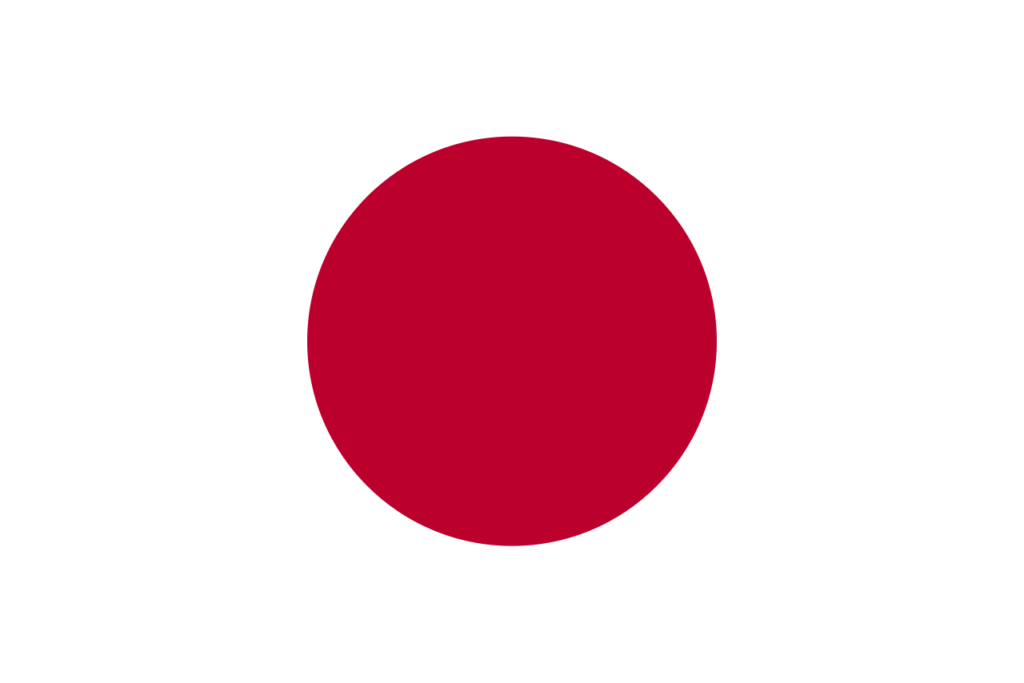
Japan
In the early years after the Meiji Restoration of 1868, Japan did not yet have a prime minister or cabinet in the modern sense. The government was instead organized around a number of councils and offices dominated by the oligarchs who had overthrown the Tokugawa shogunate. In 1871 the government revived the ancient office of daijō-daijin (often translated as “Chancellor of the Realm”), which functioned as the senior position within this evolving administrative structure. The office was held by Sanjō Sanetomi for much of the early Meiji period.
As the Meiji leaders worked to modernize Japan’s institutions along European lines, they gradually moved toward a cabinet system. In 1885 the government formally abolished the office of daijō-daijin and introduced a modern cabinet headed by a prime minister. The first to hold this position was Ito Hirobumi, one of the leading architects of Japan’s constitutional reforms.
These changes preceded the adoption of the Meiji Constitution by several years. The prime minister and cabinet were therefore initially established by imperial ordinance rather than by the constitution itself. This early cabinet system provided the institutional foundation for the constitutional government of the Empire of Japan after the constitution came into effect in 1889.
Chancellor of the Realm of Japan
Prince Sanjō Sanetomi
Date of birth/date of death: b. March 13 1837; d. February 18 1891.
Independent
1871 – 1885
Prime Minister of Japan
Count Itō Hirobumi
Date of birth/date of death: b. October 16 1841; d. October 26 1909.
Independent
1885 – 1888
Count Kuroda Kiyotaka
Date of birth/date of death: b. November 9 1840; d. August 23 1900.
Independent
1888 – 1889
Prince Sanjō Sanetomi (*acting)
Date of birth/date of death: b. March 13 1837; d. February 18 1891.
Independent
1889
Empire of Japan
The Meiji Constitution came into effect on February 11 1889, formalizing many of the institutional developments of the preceding decades and establishing the constitutional framework of the Empire of Japan (Dai Nippon Teikoku, 大日本帝国). Under this constitution, all sovereignty was legally vested in the emperor; all ministers acted in his name and were appointed by and responsible to him, not to the legislature.
It should be noted that the office of “prime minister” is not mentioned in the Meiji Constitution, even though in practice it had already existed since 1885. The ministers of state, who are responsible for advising the emperor, did not have a formal hierarchy under the law (indeed, the constitution does not mention the cabinet as a collective body either), and as such referring to the prime minister as the head of government during this period is incorrect from a strictly legal point of view: he was in legal fact just one minister among several. Practice and convention had, however, established the prime minister as the de facto head of the emperor’s ministers.
In the early years of this system, the prime minister was often chosen by and relied heavily on the support of the genrō, an unofficial group of powerful statesmen who had played major roles in the Meiji Restoration. In the 1910s and 1920s, a period sometimes called “Taishō democracy” after the Taishō Emperor, something more akin to a liberal parliamentary system was beginning to emerge as political parties grew in power and influence. The Great Depression beginning in 1929 hit Japan hard, however. Rising ultra-nationalist extremism in the early 1930s led to a significant increase in political instability as well as independent military activity, most prominently the Mukden Incident in September 1931, which would lead to Japanese intervention in Manchuria.
This culminated in the May 15 Incident of May 15 1932, in which far-right naval officers attempted a coup and assassinated prime minister Inukai Tsuyoshi. Although the coup was defeated, in its aftermath military officers continued to accumulate power. By the late 1930s party cabinets had disappeared, and prime ministers were typically drawn from the military, aristocracy, or senior bureaucracy, while factions within the army and navy exercised growing influence over the government. These military leaders orchestrated the Japanese invasion of China in 1937, and four years later would lead Japan into World War II.
Prime Ministers of Japan
Count Yamagata Aritomo
Date of birth/date of death: b. June 14 1838; d. February 1 1922.
Independent
1889 – 1891
Count Matsukata Masayoshi
Date of birth/date of death: b. February 25 1835; d. July 2 1924.
Independent
1891 – 1892
Marquess Itō Hirobumi
Date of birth/date of death: b. October 16 1841; d. October 26 1909.
Independent
1892 – 1896
Count Kuroda Kiyotaka (*acting)
Date of birth/date of death: b. November 9 1840; d. August 23 1900.
Independent
1896
Count Matsukata Masayoshi
Date of birth/date of death: b. February 25 1835; d. July 2 1924.
Independent
1896 – 1898
Marquess Itō Hirobumi
Date of birth/date of death: b. October 16 1841; d. October 26 1909.
Independent
1898
Count Ōkuma Shigenobu
Date of birth/date of death: b. March 11 1838; d. January 10 1922.
Kenseitō
1898
Marquess Yamagata Aritomo
Date of birth/date of death: b. June 14 1838; d. February 1 1922.
Independent
1898 – 1900
Marquess Itō Hirobumi
Date of birth/date of death: b. October 16 1841; d. October 26 1909.
Rikken Seiyūkai
1900 – 1901
Marquess Saionji Kinmochi (*acting)
Date of birth/date of death: b. December 7 1849; d. November 24 1940.
Rikken Seiyūkai
1901
Count Katsura Tarō
Date of birth/date of death: b. January 4 1848; d. October 10 1913.
Independent
1901 – 1906
Marquess Saionji Kinmochi
Date of birth/date of death: b. December 7 1849; d. November 24 1940.
Rikken Seiyūkai
1906 – 1908
Prince Katsura Tarō
Date of birth/date of death: b. January 4 1848; d. October 10 1913.
Independent
1908 – 1911
Marquess Saionji Kinmochi
Date of birth/date of death: b. December 7 1849; d. November 24 1940.
Rikken Seiyūkai
1911 – 1912
Prince Katsura Tarō
Date of birth/date of death: b. January 4 1848; d. October 10 1913.
Independent
1912 – 1913
Admiral Count Yamamoto Gonnohyōe
Date of birth/date of death: b. November 26 1852; d. December 8 1933.
Independent
1913 – 1914
Marquess Ōkuma Shigenobu
Date of birth/date of death: b. March 11 1838; d. January 10 1922.
Rikken Dōshikai
1914 – 1916
Field Marshal Count Terauchi Masatake
Date of birth/date of death: b. February 5 1852; d. November 3 1919.
Independent
1916 – 1918
Hara Takashi
Date of birth/date of death: b. March 15 1856; d. November 4 1921.
Rikken Seiyūkai
1918 – 1921
Count Uchida Kōsai (*acting)
Date of birth/date of death: b. November 17 1865; d. March 12 1936.
Independent
1921
Viscount Takahashi Korekiyo
Date of birth/date of death: b. July 27 1854; d. February 26 1936.
Rikken Seiyūkai
1921 – 1922
Marshal Admiral Baron Katō Tomosaburō
Date of birth/date of death: b. February 22 1861; d. August 24 1923.
Independent
1922 – 1923
Count Uchida Kōsai (*acting)
Date of birth/date of death: b. November 17 1865; d. March 12 1936.
Independent
1923
Count Yamamoto Gonnohyōe
Date of birth/date of death: b. November 26 1852; d. December 8 1933.
Independent
1923 – 1924
Viscount Kiyoura Keigo
Date of birth/date of death: b. February 14/March 27 1850; d. November 5 1942.
Independent
1924
Viscount Katō Takaaki
Date of birth/date of death: b. January 3 1860; d. January 28 1926.
Kenseikai
1924 – 1926
Wakatsuki Reijirō
Date of birth/date of death: b. March 21 1866; d. November 20 1949.
Kenseikai
1926 – 1927
Baron Tanaka Giichi
Date of birth/date of death: b. June 22 1864; d. September 29 1929.
Rikken Seiyūkai
1927 – 1929
Hamaguchi Osachi (*see note)
Date of birth/date of death: b. April 1 1870; d. August 26 1931.
Note: Incapacitated following a right-wing ultranationalist assassination attempt on November 14 1930. Kijūrō Shidehara served as acting Prime Minister until March 1931.
Rikken Minseitō
1929 – 1931
Baron Kijūrō Shidehara (*acting)
Date of birth/date of death: b. September 13 1872; d. March 10 1951.
Independent
1930 – 1931
Baron Wakatsuki Reijirō
Date of birth/date of death: b. March 21 1866; d. November 20 1949.
Rikken Minseitō
1931
Inukai Tsuyoshi
Date of birth/date of death: b. June 4 1855; d. May 15 1932.
Rikken Seiyūkai
1931 – 1932
Viscount Takahashi Korekiyo (*acting)
Date of birth/date of death: b. July 27 1854; d. February 26 1936.
Rikken Seiyūkai
1932
Viscount Saitō Makoto
Date of birth/date of death: b. October 27 1858; d. February 26 1936.
Independent
1932 – 1934
Keisuke Okada
Date of birth/date of death: b. January 20 1868; d. October 7 1952.
Independent
1934 – 1936
Fumio Gotō (*acting)
Date of birth/date of death: b. March 7 1884; d. May 13 1980.
Independent
1936
Kōki Hirota
Date of birth/date of death: b. February 14 1878; d. December 23 1948.
Independent
1936 – 1937
Senjūrō Hayashi
Date of birth/date of death: b. February 23 1876; d. February 4 1943.
Independent
1937
Prince Fumimaro Konoe
Date of birth/date of death: b. October 12 1891; d. December 16 1945.
Independent
1937 – 1939
Baron Kiichirō Hiranuma
Date of birth/date of death: b. September 28 1867; d. August 22 1952.
Independent
1939
Nobuyuki Abe
Date of birth/date of death: b. November 24 1875; d. September 7 1953.
Independent
1939 – 1940
Admiral Mitsumasa Yonai
Date of birth/date of death: b. March 2 1880; d. April 20 1948.
Independent
1940
Prince Fumimaro Konoe
Date of birth/date of death: b. October 12 1891; d. December 16 1945.
Imperial Rule Assistance Association
1940 – 1941
Hideki Tojo
Date of birth/date of death: b. December 30 1884; d. December 23 1948.
Imperial Rule Assistance Association
1941 – 1944
Kuniaki Koiso
Date of birth/date of death: b. March 22 1880; d. November 3 1950.
Imperial Rule Assistance Association
1944 – 1945
Baron Kantarō Suzuki
Date of birth/date of death: b. January 18 1868; d. April 17 1948.
Imperial Rule Assistance Association (1945); Independent (1945)
1945
Naruhito, Prince Higashikuni
Date of birth/date of death: b. December 3 1887; d. January 20 1990.
Independent
1945
Baron Kijūrō Shidehara
Date of birth/date of death: b. September 13 1872; d. March 10 1951.
Independent
1945 – 1946
Shigeru Yoshida
Date of birth/date of death: b. September 22 1878; d. October 20 1967.
Japan Liberal Party
1946 – 1947
Japan (Nihon, 日本)(1947 – present)
Heads of State of Japan
List of Heads of State of Japan
Emperor of Japan (Tenno, 天皇)
Name
Political Party
Dates in Office
Heads of Government of Japan
History
Under the 1947 Constitution, Japan is a parliamentary democracy. The prime minister is not directly elected, but is instead chosen by the legislature. Typically the prime minister is the leader of the largest party in the lower house of the Diet (the House of Representatives). After being selected by the Diet, the prime minister is formally appointed by the emperor, although the role of the emperor in this process is purely ceremonial.
Note that this is slightly different from the Westminster parliamentary system, where the prime minister is appointed by the monarch but must retain the confidence of Parliament. In practice the result is often the same: the leader of the party with the most seats in the lower house becomes prime minister. The difference reflects the post-World War II desire to ensure that the emperor, who had played a central political role before 1945, would have no non-ceremonial role in this process.
In the first years under the new constitution, Japanese politics was fragmented between political parties that came and went frequently. This changed with the formation of the Liberal Democratic Party (LDP) in 1955, which combined a number of other conservative parties under a single banner. The LDP would remain in power continuously until 1993, and this long period of dominance is often called the 1955 System. This apparent dominance obscures the factionalism within the LDP, however, and many prime ministers in this period were relatively weak and owed their office to one faction or another within the ruling party.
In the 21st century, the LDP has mostly remained dominant, and the prime minister’s office has tended to accumulate more power as the influence of the party factions declined. The relatively long premierships of Junichiro Koizumi and Shinzo Abe were symptomatic of this evolution toward a more powerful prime minister.
List of Heads of Government of Japan
Prime Minister of Japan (Naikaku Sōri Daijin, 日本国内閣総理大臣)
Name
Political Party
Dates in Office
Shigeru Yoshida
Date of birth/date of death:
Born September 22 1878. Died October 20 1967.
Japan Liberal Party
1947
Tetsu Katayama
Date of birth/date of death:
Born July 28 1887. Died May 30 1978.
Japan Socialist Party
1947 – 1948
Hitoshi Ashida
Date of birth/date of death:
Born November 15 1887. Died June 20 1959.
Democratic Party
1948
Shigeru Yoshida
Date of birth/date of death:
Born September 22 1878. Died October 20 1967.
Democratic Liberal Party (1948 – 1950); Liberal Party (1950 – 1954)
1948 – 1954
Ichirō Hatoyama
Date of birth/date of death:
Born January 1 1883. Died March 7 1959.
Japan Democratic Party (1954 – 1955); Liberal Democratic Party (1955 – 1956)
1954 – 1956
Tanzan Ishibashi
Date of birth/date of death:
Born September 25 1884. Died April 25 1973.
Liberal Democratic Party
1956 – 1957
Nobusuke Kishi
Date of birth/date of death:
Born November 13 1896. Died August 7 1987.
Liberal Democratic Party
1957 – 1960
Hayato Ikeda
Date of birth/date of death:
Born December 3 1899. Died August 13 1965.
Liberal Democratic Party
1960 – 1974
Eisaku Satō
Date of birth/date of death:
Born March 27 1901. Died June 3 1975.
Liberal Democratic Party
1964 – 1972
Kakuei Tanaka
Date of birth/date of death:
Born May 4 1918. Died December 16 1993.
Liberal Democratic Party
1972 – 1974
Takeo Miki
Date of birth/date of death:
Born March 17 1907. Died November 14 1988.
Liberal Democratic Party
1974 – 1976
Takeo Fukuda
Date of birth/date of death:
Born January 14 1905. Died July 5 1995.
Liberal Democratic Party
1976 – 1978
Masayoshi Ōhira
Date of birth/date of death:
Born March 12 1910. Died June 12 1980.
Liberal Democratic Party
1978 – 1980
Masayoshi Ito (*acting)
Date of birth/date of death:
Born December 15 1913. Died May 21 1994.
Liberal Democratic Party
1980
Zenkō Suzuki
Date of birth/date of death:
Born January 11 1911. Died July 19 2004.
Liberal Democratic Party
1980 – 1982
Yasuhiro Nakasone
Date of birth/date of death:
Born May 27 1918. Died November 29 2019.
Liberal Democratic Party
1982 – 1987
Noboru Takeshita
Date of birth/date of death:
Born February 26 1924. Died June 19 2000.
Liberal Democratic Party
1987 – 1989
Sōsuke Uno
Date of birth/date of death:
Born August 27 1922. Died May 19 1998.
Liberal Democratic Party
1989
Toshiki Kaifu
Date of birth/date of death:
Born January 2 1931. Died January 9 2022.
Liberal Democratic Party
1989 – 1991
Kiichi Miyazawa
Date of birth/date of death:
Born October 8 1919. Died June 28 2007.
Liberal Democratic Party
1991 – 1993
Morihiro Hosokawa
Date of birth/date of death:
Born January 14 1938.
Japan New Party
1993 – 1994
Tsutomu Hata
Date of birth/date of death: b. August 24 1935; d. August 28 2017.
Japan Renewal Party
1994
Tomiichi Murayama
Date of birth/date of death: b. March 3 1924; d. October 17 2025.
Japan Socialist Party
1994 – 1996
Ryutaro Hashimoto
Date of birth/date of death: b. July 29 1937; d. July 1 2006.
Liberal Democratic Party
1996 – 1998
Keizō Obuchi
Date of birth/date of death: b. June 25 1937; d. May 14 2000.
Liberal Democratic Party
1998 – 2000
Mikio Aoki (*acting)
Date of birth/date of death: b. June 8 1934; d. June 11 2023.
Liberal Democratic Party
2000
Yoshirō Mori
Date of birth/date of death: b. July 14 1937.
Liberal Democratic Party
2000 – 2001
Junichiro Koizumi
Date of birth/date of death: b. January 8 1942.
Liberal Democratic Party
2001 – 2006
Shinzo Abe
Date of birth/date of death: b. September 21 1954; d. July 8 2022.
Liberal Democratic Party
2006 – 2007
Yasuo Fukuda
Date of birth/date of death: b. July 16 1936.
Liberal Democratic Party
2007 – 2008
Tarō Asō
Date of birth/date of death: b. September 20 1940.
Liberal Democratic Party
2008 – 2009
Yukio Hatoyama
Date of birth/date of death: b. February 11 1947.
Democratic Party of Japan
2009 – 2010
Naoto Kan
Date of birth/date of death: b. October 10 1946.
Democratic Party of Japan
2010 – 2011
Yoshihiko Noda
Date of birth/date of death: b. May 20 1957.
Democratic Party of Japan
2011 – 2012
Shinzo Abe
Date of birth/date of death: b. September 21 1954; d. July 8 2022.
Liberal Democratic Party
2012 – 2020
Yoshihide Suga
Date of birth/date of death: b. December 6 1948.
Liberal Democratic Party
2020 – 2021
Fumio Kishida
Date of birth/date of death: b. July 29 1957.
Liberal Democratic Party
2021 – 2024
Shigeru Ishiba
Date of birth/date of death: b. February 4 1957.
Monarch: Naruhito.
Other prominent offices: Member of the House of Representatives (1986 – present); Director-General of the Japan Defence Agency (2002 – 2004); Minister of Defence (2007 – 2008); Minister of Agriculture, Forestry, and Fisheries (2008 – 2009); Secretary-General of the Liberal Democratic Party (2012 – 2014); President of the Liberal Democratic Party (2024 – present).
Liberal Democratic Party
2024 – 2025
Sanae Takaichi
Date of birth/date of death: b. March 7 1961.
Liberal Democratic Party
2025 – present
Deputy Heads of Government of Japan
List of Deputy Heads of Government of Japan
Deputy Prime Minister of Japan (Fuku-sōri, 副総理)
Name
Political Party
Dates in Office
Kijūrō Shidehara
Date of birth/date of death: b. September 13 1872; d. March 10 1951.
Independent
1947
Hitoshi Ashida
Date of birth/date of death: b. November 15 1887; d. June 20 1959.
Democratic Party
1947 – 1948
Takeo Miki
Date of birth/date of death: b. March 17 1907; d. November 14 1988.
Liberal Democratic Party
1972 – 1974
Takeo Fukuda
Date of birth/date of death: b. January 14 1905; d. July 5 1995.
Liberal Democratic Party
1974 – 1976
Masayoshi Ito
Date of birth/date of death: b. December 15 1913; d. May 21 1994.
Liberal Democratic Party
1980
Tsutomu Hata
Date of birth/date of death: b. August 24 1935; d. August 28 2017.
Japan Renewal Party
1993 – 1994
Yōhei Kōno
Date of birth/date of death:
Born January 15 1937. Died June 8 2026.
Liberal Democratic Party
June 30 1994 – October 2 1995
Ryutaro Hashimoto
Date of birth/date of death: b. July 29 1937; d. July 1 2006.
Liberal Democratic Party
1995 – 1996
Wataru Kubo
Date of birth/date of death: b. January 15 1929; d. June 24 2003.
Japan Socialist Party
1996
Naoto Kan
Date of birth/date of death: b. October 10 1946.
Democratic Party of Japan
2009 – 2010
Tarō Asō
Date of birth/date of death: b. September 20 1940.
Liberal Democratic Party
2012 – 2021