The modern state of France, stretching from the Pyrenees in the southwest to the Rhine and the North Sea coast in the east, dates back to the partition of the Carolingian Empire in the 9th century. The power of the Capetian and Valois kings based in Paris waxed and waned over the following centuries, and the nobility of the country often exercised a great deal of independent power during the Middle Ages. Following violent religious conflict in the sixteenth century and the rise of the Bourbon Dynasty to the throne, the French state strengthened and centralized, reaching the apogee of its power during the ancien régime under Louis XIV (1643 – 1715). The French monarchy weakened later in the eighteenth century, however, and it was overthrown during the French Revolution of 1789, a seminal event that is often taken to mark the boundary between the early modern and modern history.
The years following the Revolution would see a succession of different republican regimes attempt to consolidate control over the country and fend off attack from foreign powers. Ultimately, the inability of the First Republic to establish a secure foundation for itself would lead to the rise of Napoleon Bonaparte, who in 1804 proclaimed himself emperor and established the First French Empire. In the roughly two centuries since then, France has alternated between different monarchical regimes, between different republican regimes, and between monarchies and republics. The current system of government in France, the Fifth Republic, was founded by Charles de Gaulle in 1959.
This page includes:
- The Kings of France, during the ancien régime and again during the Bourbon Restoration and the July Monarchy;
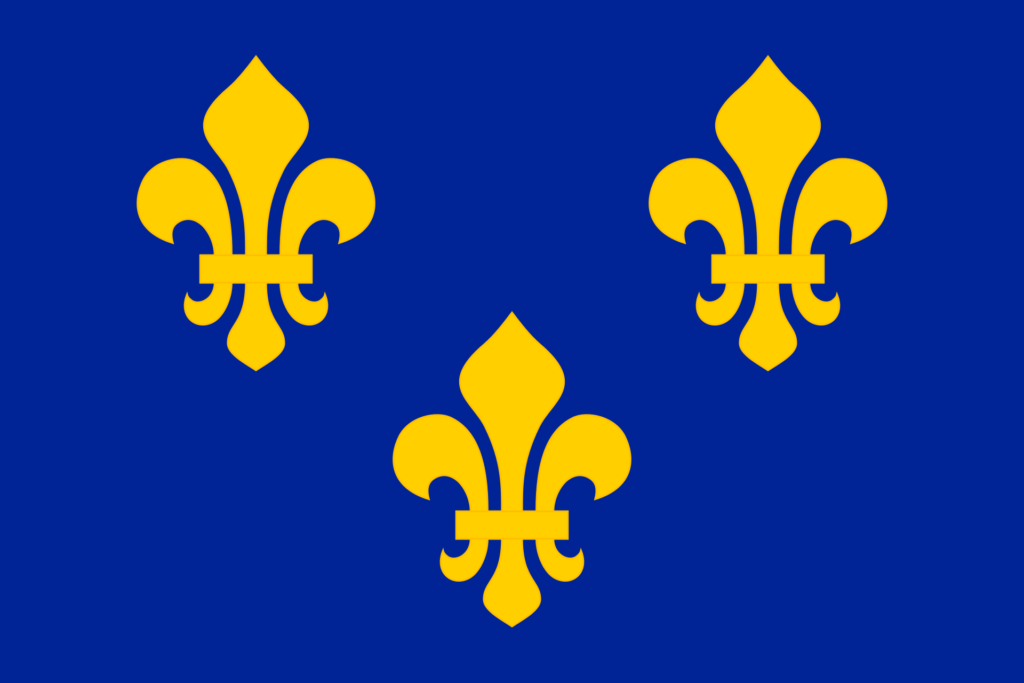
Kingdom of France (Royaume de France) (843 – 1792)
Heads of State of the Kingdom of France
List of Kings of France
King of West Francia
Name
Royal House
Dates of Reign
Charles II “the Bald” (Charles II le Chauve)
Date of birth/date of death:
Born June 13 823. Died October 6 877.
House of Charlemagne
c. August 10 843 – October 6 877
Louis II “the Stammerer” (Louis II le Bègue)
Date of birth/date of death:
Born June 13 823. Died October 6 877.
House of Charlemagne
October 6 877 – April 10 879
Louis III (Louis III)
Date of birth/date of death:
Born 863/865. Died August 5 882.
House of Charlemagne
April 10 879 – August 5 882
Carloman II (Carloman II)
Date of birth/date of death:
Born c. 866. Died December 6 884.
House of Charlemagne
April 10 879 – December 6 884
Charles the Fat (Charles le Gros)
Date of birth/date of death:
Born 839. Died January 13 888.
House of Charlemagne
December 12 884 – November 887
Charles the Fat, who was Holy Roman Emperor and King of East Francia as Charles III before taking the West Frankish throne, is not traditionally given a regnal number. The use of regnal numbers for French monarchs originated with Charles V in the fourteenth century, and he did not include Charles the Fat in his reckoning. Charles was overthrown by his nephew Arnulf of Carinthia in November 887, and Odo, Count of Paris was elected king by the West Frankish nobility. The reign of Charles marked the last time that the Carolingian Empire was united under a single ruler.
Odo (Eudes)
Date of birth/date of death:
Born c. 857. Died January 1 898.
House of Robert
February 29 888 – January 1 898
Charles III “the Simple” (Charles III le Simple)
Date of birth/date of death:
Born September 17 879. Died October 7 929.
House of Charlemagne
January 1 898 – July 2 922
Robert I (Robert I)
Date of birth/date of death:
Born c. 866. Died June 15 923.
House of Robert
June 29 922 – June 15 923
Rudolph (Raoul)
Date of birth/date of death:
Born c. 890. Died January 14/15 936.
House of Boso
July 13 923 – January 14/15 936
Louis IV “from Overseas” (Louis IV d’Outremer)
Date of birth/date of death:
Born 920/921. Died September 10 954.
House of Charlemagne
June 19 936 – September 10 954
Lothair (Lothaire)
Date of birth/date of death:
Born 941. Died March 2 986.
House of Charlemagne
September 10 954 – March 2 986
Louis V “the Do-Nothing” (Louis V le Fainéant)
Date of birth/date of death:
Born c. 966/967. Died May 22 987.
House of Charlemagne
March 2 986 – May 22 987
List of Kings of France
Ruler
Dynasty
Dates of Reign
Hugh “Capet” (Hugues Capet)
Date of birth/date of death:
Born c. 941. Died October 24 996.
House of Capet
June 1 987 – October 24 996
Robert II “the Pious” (Robert II le Pieux)
Date of birth/date of death:
Born c. 972. Died July 20 1031.
House of Capet
October 24 996 – July 20 1031
Henry I (Henri I)
Date of birth/date of death:
Born May 4 1008. Died August 4 1060.
House of Capet
July 20 1031 – August 4 1060
Philip I “the Amorous” (Philippe I L’Amoureux)
Date of birth/date of death:
Born c. 1052. Died July 29 1108.
House of Capet
August 4 1060 – July 29 1108
Louis VI “the Fat” (Louis VI le Gros)
Date of birth/date of death:
Born December 1 1081. Died August 1 1137.
House of Capet
July 29 1108 – August 1 1137
Louis VII “the Young” (Louis VII le Jeune)
Date of birth/date of death:
Born 1120. Died September 18 1180.
House of Capet
August 1 1137 – September 18 1180
Philip II “Augustus” (Philippe II Auguste)
Date of birth/date of death:
Born August 21 1165. Died July 14 1223.
House of Capet
September 18 1180 – July 14 1223
Louis VIII “the Lion” (Louis VIII le Lion)
Date of birth/date of death:
Born September 5 1187. Died November 8 1226.
House of Capet
July 14 1223 – November 8 1226
Louis IX “the Saint” (Saint Louis IX)
Date of birth/date of death:
Born April 25 1214. Died August 25 1270.
House of Capet
November 8 1226 – August 25 1270
Philip III “the Bold” (Philippe III le Hardi)
Date of birth/date of death:
Born May 1 1245. Died October 5 1285.
House of Capet
August 25 1270 – October 5 1285
Philip IV “the Fair” (Philippe IV le Bel)
Date of birth/date of death:
Born 1268. Died November 29 1314.
House of Capet
October 5 1285 – November 29 1314
Louis X “the Quarrelsome” (Louis X le Hutin)
Date of birth/date of death:
Born October 4 1289. Died June 5 1316.
House of Capet
November 29 1314 – June 5 1316
John I “the Posthumous” (Jean I le Posthume)
Date of birth/date of death:
Born November 15 1316. Died November 19 1316.
House of Capet
November 15 1316 – November 19 1316
Philip V “the Tall” (Philippe V le Long)
Date of birth/date of death:
Born c. 1291. Died January 3 1322.
House of Capet
November 20 1316 – January 3 1322
Charles IV “the Fair” (Charles IV le Bel)
Date of birth/date of death:
Born June 18/19 1294. Died February 1 1328.
House of Capet
January 3 1322 – February 1 1328
Philip VI “the Fortunate” (Philippe VI le Fortuné)
Date of birth/date of death:
Born 1293. Died August 22 1350.
House of Valois—Capet
February 1 1328 – August 22 1350
John II “the Good” (Jean II le Bon)
Date of birth/date of death:
Born April 26 1319. Died April 8 1364.
House of Valois—Capet
August 22 1350 – April 8 1364
Charles V “the Wise” (Charles V le Sage)
Date of birth/date of death:
Born January 21 1338. Died September 16 1380.
House of Valois—Capet
April 8 1364 – September 16 1380
Charles VI “the Beloved” (Charles VI le Bien-Aimé)
Date of birth/date of death:
Born December 3 1368. Died October 21 1422.
House of Valois—Capet
September 16 1380 – October 21 1422
Charles VII “the Victorious” (Charles VII le Victorieux)
Date of birth/date of death:
Born February 22 1403. Died July 22 1461.
House of Valois—Capet
October 21 1422 – July 22 1461
Louis XI “the Prudent” (Louis XI le Prudent)
Date of birth/date of death:
Born July 3 1423. Died August 30 1483.
House of Valois—Capet
July 22 1461 – August 30 1483
Charles VIII “the Affable” (Charles VIII l‘Affable)
Date of birth/date of death:
Born June 30 1470. Died April 7 1498.
House of Valois—Capet
August 30 1483 – April 7 1498
Louis XII (Louis XII)
Date of birth/date of death:
Born June 27 1462. Died January 1 1515.
House of Valois-Orléans—Capet
April 7 1498 – January 1 1515
Francis I (François I)
Date of birth/date of death:
Born September 12 1494. Died March 31 1547.
House of Valois-Angoulême—Capet
January 1 1515 – March 31 1547
Henry II (Henri II)
Date of birth/date of death:
Born March 31 1519. Died July 10 1559.
House of Valois-Angoulême—Capet
January 1 1515 – March 31 1547
The Consulate
Placeholder text
First Consul of the French Republic
Napoléon Bonaparte
Date of birth/date of death: b. August 15 1769; d. May 5 1821
1799 – 1804
First French Empire
Placeholder text
Emperor of the French
Napoléon I
Date of birth/date of death: b. August 15 1769; d. May 5 1821
House of Bonaparte
1804 – 1814
Kingdom of France (Bourbon Restoration)
Louis XVIII
Date of birth/date of death: b. November 17 1755; d. September 16 1824.
House of Bourbon – Capet
1814 – 1815
First French Empire (restored)
Emperor of the French
Napoléon I
Date of birth/date of death: b. August 15 1769; d. May 5 1821
House of Bonaparte
1815
Kingdom of France (Bourbon Restoration)
Louis XVIII
Date of birth/date of death: b. November 17 1755; d. September 16 1824.
House of Bourbon – Capet
1815 – 1824
Kingdom of France (July Monarchy)
King of the French
Louis Philippe
Date of birth/date of death: b. October 6 1773; d. August 26 1850.
House of Orléans – Bourbon – Capet
1830 – 1848
Second French Republic
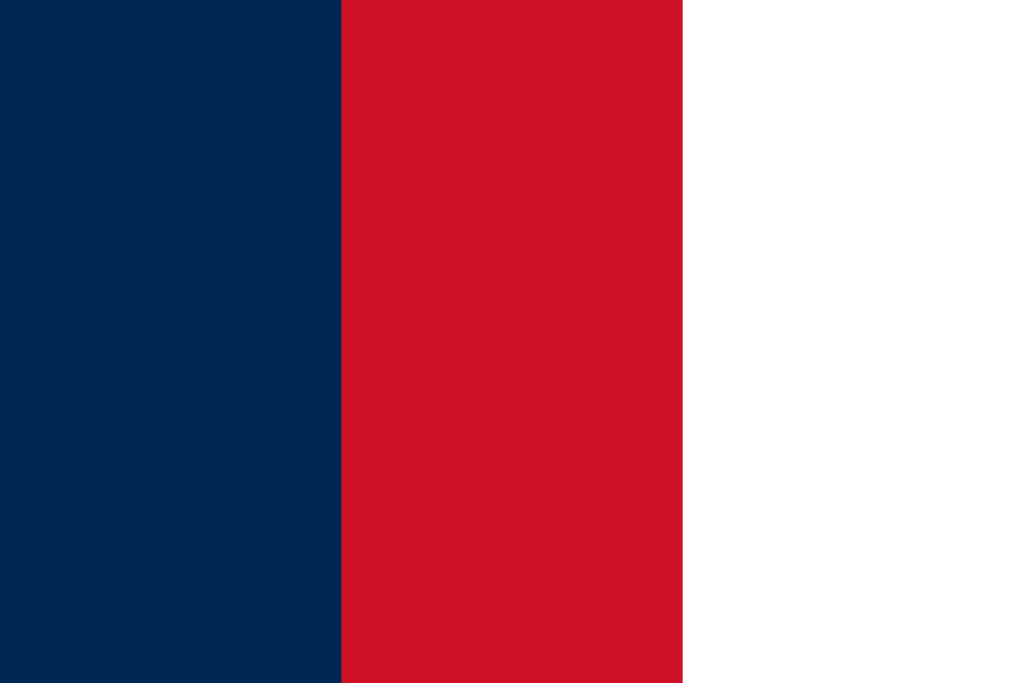
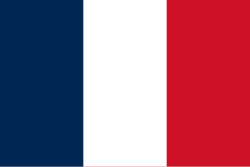
The year 1848 was one of uprising and revolution across Europe, and France was no different. Beginning on February 22 1848, protests and demonstrations against the increasingly unpopular July Monarchy were met with violence and repression, which only served to strengthen the protest movement. Two days later, on February 24 1848, King Louis Philippe abdicated in favor of his nine year old grandson. By this point Paris was in the hands of the revolutionaries, and the leaders of this movement rejected the continuation of the monarchy. In its place, they proclaimed the establishment of the Second Republic, restoring many symbols of the First Republic of the 1790s including the tricolor flag and the famous slogan Liberté, Égalité, Fraternité.
The leaders of the provisional government of the new Second Republic were a coalition of republican factions ranging from moderate conservatives to radical socialists. They enacted sweeping reforms, among them the implementation of universal male suffrage. Elections to a new National Constituent Assembly were held in April 1848, replacing the provisional government with the Executive Commission, which was tasked with governing the country while a new constitution was written. This new constitution was adopted in November 1848, and under its terms the head of state, designated the President of the French Republic, was popularly elected for the first time in French history.
The 1848 constitution gave broad executive powers to the president, making them both head of state and head of the government and giving them the power to appoint and dismiss ministers. The president was limited to a single four-year term, however, and still relied on the popularly-elected unicameral National Assembly to pass legislation. The constitution thus created a system in which both the president and the National Assembly derived their authority directly from the electorate, but there was no clear way of resolving disputes between those two institutions.
A less ambitious man might have been able to co-exist with the legislature, but France’s first presidential election did not return an unambitious man. The winner was Louis-Napoléon Bonaparte, the nephew of the great Napoléon Bonaparte. Bonaparte took advantage of his name recognition and his popular mandate to seek increased powers for himself, including an attempt to remove the one-term limit on the presidency. Locked in conflict with the National Assembly, on December 2 1851 the president staged a coup that dissolved the Assembly and concentrated power in his hands. A manipulated referendum later that month was presented as proof of the popularity of his actions and made Bonaparte president for a ten-year term.
President of the Provisional Government of the Republic
Jacques-Charles Dupont de l’Eure
Date of birth/date of death: b. February 27 1767; d. March 3 1855.
Moderate Republicans
1848
President of the Executive Commission
Dominique François Jean Arago
Date of birth/date of death: b. February 26 1786; d. October 2 1853.
Moderate Republicans
1848
Chief of the Executive Power
Louis-Eugène Cavaignac
Date of birth/date of death: b. October 15 1802; d. October 28 1857.
Moderate Republicans
1848
President of the French Republic
Charles-Louis Napoléon Bonaparte
Date of birth/date of death: b. April 20 1808; d. January 9 1873
Bonapartists
1848 – 1852
Second French Empire
Louis-Napoléon Bonaparte would soon follow further in the footsteps of his famous uncle. Another referendum, held November 21-22 1852, showed a predictably overwhelming majority in favor of replacing the already-powerful presidency with a restoration of the empire. On December 2 1852, this was made official, and the president was proclaimed Napoléon III, Emperor of the French (taking the regnal number III in recognition of his cousin, regarded as Napoléon II by Bonapartists).
Under the Constitution of 1852, the emperor held sweeping power. Rhetorically, this power was wielded in the name of the French people, and referenda would be used occasionally throughout the Second Empire’s history to help buttress these claims. Foreign policy and military matters were under the direct personal control of the emperor. The legislature still existed, but government ministers answered to the emperor alone, and the emperor could appoint and dismiss ministers as he pleased.
The republican faction in French politics did not vanish during the empire, however. Under increasing pressure from elements favoring greater democracy, the emperor granted increased powers to the legislature over the course of the 1860s. A referendum on May 8 1870 demonstrated popular support for these moves towards a “liberal empire.” But Napoléon III would not reign long enough to see that transformation through. Within a few months, France would be embroiled in the Franco-Prussian War, which ended in a quick and decisive defeat.
Emperor of the French
Napoléon III
Date of birth/date of death: b. April 20 1808; d. January 9 1873.
House of Bonaparte
1852 – 1870
Third French Republic
News of the defeat and capture of Napoléon III at the Battle of Sedan on September 1 1870 led to a swift reaction. Within days republican forces had seized control of Paris, abolished the Second Empire, and proclaimed the establishment of the Third French Republic. Control initially passed to an interim administration called the Government of National Defense, headed by Louis-Jules Trochu. The members of this government shortly found themselves besieged in Paris by the Prussian army, and were forced to surrender and seek peace on humiliating terms at the end of January 1871.
Elections to the National Assembly that would determine the political future of France were held on February 8 1871, returning a monarchist majority. This monarchist majority was divided, however, between supporters of the Bourbon dynasty that had been overthrown in 1830 and Orléanists who supported the succeeding dynasty that had been overthrown in 1848. Being unable to select a monarch, the divided Assembly selected Adolphe Thiers, a candidate acceptable to both monarchist factions as well as republicans, to be Chief of the Executive Power of the French Republic (a title sufficiently vague to also be acceptable to all factions).
Thiers was tasked by the Assembly with negotiating a peace with the recently-proclaimed German Empire as well as, from March 1871, the suppression of the Paris Commune. In dealing with these challenges, Thiers effectively acted as an independent head of state rather than merely as an agent of the Assembly. In August 1871, the monarchist majority passed a law that strengthened the legislature relative to the executive, while also changing the title of Thiers’ office to President of the French Republic. The ironic long-term consequence for the monarchists was to strengthen the credibility of the very republic they believed would soon be replaced by a monarchy.
The constitutional role of the President in the Third Republic was formally settled in 1875. The President would be elected by both the lower and upper houses of the National Assembly (the Chamber of Deputies and the Senate, respectively) to a seven year term, and would wield significant de jure powers, acting as commander in chief of the military and holding the power to dismiss ministers (including the prime minister) and, with the consent of the Senate, dissolve the Chamber of Deputies.
The practical limits of these powers would be set during the constitutional crisis of May 1877, when Thiers’ monarchist successor, Patrice de MacMahon, dismissed a republican prime minister in hopes of securing a fresh monarchist majority. Instead, the resulting election strengthened the republican faction in the Assembly. MacMahon’s successor as president, Jules Grévy, was a republican, who established a precedent that the president would not intervene directly in politics. In other words, from this point on the Third Republic functioned effectively a parliamentary system.
It would remain so until its demise in the midst of World War II. The French government had relocated to the spa town of Vichy following the armistice with Nazi Germany in June 1940. On July 10 1940, the National Assembly passed a resolution that ceded its powers to the prime minister, World War I hero Philippe Pétain. The final republican president, Albert Lebrun, went along with their decision. Legally, Lebrun had the power to resist this move. However, by then entrenched practice had left the president unable to do so in practice even if he had wished to do so.
President of the Government of National Defense
Louis-Jules Trochu
Date of birth/date of death: b. March 12 1815; d. October 7 1896.
Monarchist faction (Orléanist)
1870 – 1871
Chief of the Executive Power of the French Republic
Marie Joseph Louis Adolphe Thiers
Date of birth/date of death: b. April 15 1797; d. September 3 1877.
Independent
1871
President of the French Republic
Marie Joseph Louis Adolphe Thiers
Date of birth/date of death: b. April 15 1797; d. September 3 1877.
Independent
1871 – 1873
Marshal of France Marie Edme Patrice Maurice de MacMahon, marquis de MacMahon, duc de Magenta
Date of birth/date of death: b. June 13 1808; d. October 17 1893.
Monarchist faction (Legitimist)
1873 – 1879
François Judith Paul Grévy
Date of birth/date of death: b. August 15 1807; d. September 9 1891.
Opportunist Republicans
1879 – 1887
Marie François Sadi Carnot
Date of birth/date of death: b. August 11 1837; d. June 25 1894.
Moderate Republicans
1887 – 1894
Jean Paul Pierre Casimir-Perier
Date of birth/date of death: b. November 8 1847; d. March 11 1907.
Moderate Republicans
1894 – 1895
Félix François Faure
Date of birth/date of death: b. January 30 1841; d. February 16 1899.
Progressive Republicans
1895 – 1899
Émile François Loubet
Date of birth/date of death: b. December 30 1838; d. December 20 1929.
Democratic Republican Alliance
1899 – 1906
Clément Armand Fallières
Date of birth/date of death: b. November 6 1841; d. June 22 1931.
Democratic Republican Alliance
1906 – 1913
Raymond Nicolas Landry Poincaré
Date of birth/date of death: b. August 20 1860; d. October 15 1934.
Democratic Republican Alliance
1913 – 1920
Paul Eugène Louis Deschanel
Date of birth/date of death: b. February 13 1855; d. April 28 1922.
Democratic Republican Alliance
1920
Alexandre Millerand
Date of birth/date of death: b. February 10 1859; d. April 6 1943.
Independent
1920 – 1924
Frédéric François-Marsal (*acting)
Date of birth/date of death: b. March 16 1874; d. May 20 1958.
Independent
1924
Pierre Paul Henri Gaston Doumergue
Date of birth/date of death: b. August 1 1863; d. June 18 1937.
Prime Ministers: Édouard Herriot, 1924 – 1925; Paul Painlevé, 1925; Aristide Briand, 1925 – 1926; Édouard Herriot, 1926; Raymond Poincaré, 1926 – 1929; Aristide Briand, 1929; André Tardieu, 1929 – 1930; Camille Chautemps, 1930; André Tardieu, 1930; Théodore Steeg, 1930 – 1931; Pierre Laval, 1931.
Political offices held: Member of the French Chamber of Deputies, 1893 – 1910; Minister of Colonies, 1902 – 1905; Minister of Labour, 1906; Minister of Commerce and Industry, 1906 – 1908; Minister of Public Instruction and Fine Arts, 1908 – 1910; Member of the Senate of France, 1910 – 1924; Prime Minister of France, 1913 – 1914; Minister of Foreign Affairs, 1913 – 1914; Minister of Foreign Affairs, 1914; Minister of Colonies, 1914 – 1917; President of the Senate of France, 1923 – 1924; President of France, 1924 – 1931; Prime Minister of France, 1934.
Radical Party
1924 – 1931
Paul Doumer
Date of birth/date of death: b. March 22 1857; d. May 7 1932.
Prime Ministers: Pierre Laval, 1931 – 1932; André Tardieu, 1932.
Political offices held: Member of the Chamber of Deputies, 1888 – 1889; Member of the Chamber of Deputies, 1890 – 1897; Minister of Finance, 1895 – 1896; Member of the Chamber of Deputies, 1902 – 1912; President of the Chamber of Deputies, 1905 – 1906; Member of the Senate of France, 1912 – 1931; Minister of Finance, 1921 – 1922; Minister of Finance, 1925 – 1926; President of the Senate of France, 1927 – 1931; President of France, 1931 – 1932.
Colonial posts held: Governor-General of French Indochina, 1897 – 1902.
Independent
1931 – 1932
Albert François Lebrun
Date of birth/date of death: b. August 29 1871; d. March 6 1950.
Prime Ministers: Édouard Herriot, 1932; Joseph Paul-Boncour, 1932 – 1933; Édouard Daladier, 1933; Albert Sarraut, 1933; Camille Chautemps, 1933 – 1934; Édouard Daladier, 1934; Gaston Doumergue, 1934; Pierre-Étienne Flandin, 1934 – 1935; Fernand Bouisson, 1935; Pierre Laval, 1935 – 1936; Albert Sarraut, 1936; Léon Blum, 1936 – 1937; Camille Chautemps, 1937 – 1938; Léon Blum, 1938; Édouard Daladier, 1938 – 1940; Paul Reynaud, 1940; Philippe Pétain, 1940.
Political offices held: Member of the Chamber of Deputies, 1900 – 1920; Minister of the Colonies, 1911 – 1913; Minister of War, 1913; Minister of the Colonies, 1913 – 1914; Minister of Liberated Regions, 1917 – 1919; Member of the Senate of France, 1920 – 1932; President of the Senate of France, 1931 – 1932; President of France, 1932 – 1940.
Democratic Republican Alliance
1932 – 1940
The French State (Vichy France)
After the armistice, the northern part of France as well as the Atlantic coast were directly occupied by Germany, while the French government established themselves at Vichy in the unoccupied southern zone. On July 10 1940, a resolution passed by the National Assembly of the Third Republic in Vichy granted Philippe Pétain full powers to draft a new constitution. The following day, the institutions of the old republic, including the presidency, were effectively suspended, and Pétain assumed sweeping powers as well as a new title, Chief of the French State. Whatever appearance of legal continuity did exist did little to hide the fact that the new regime was a decisive break from the previous one: the legislature no longer met, and political parties were banned.
It is worth noting that Pétain never actually promulgated a new constitution; rather, he ruled by constitutional acts which functioned as decrees. This state of affairs lasted until 1942, when German forces occupied southern France as well. From that point, Pétain was effectively a figurehead, with what limited power the Vichy state still had mostly exercised by his prime minister, Pierre Laval. The Vichy regime finally collapsed entirely in August 1944, following the liberation of France by Allied forces.
Chief of the French State
Maréchal de France Henri Philippe Bénoni Omer Joseph Pétain
Date of birth/date of death: April 24 1856; d. July 23 1951.
Prime Ministers: Himself, 1940 – 1942; Pierre Laval, 1942 – 1944.
Military ranks: Promoted to Colonel, 1910. Promoted to Brigade General, 1914. Promoted to Divisional General, 1914. Named Marshal of France, 1918.
Political offices held: Minister of War, 1934; Deputy Prime Minister of France, 1940; Prime Minister of France, 1940 – 1942; Chief of the French State, 1940 – 1944.
Military posts held: Chief of the Army Staff, 1917; Commander-in-Chief of the French Army, 1917 – 1920; Vice President of the Superior War Council, 1920 – 1931.
Révolution nationale
1940 – 1944
Free France
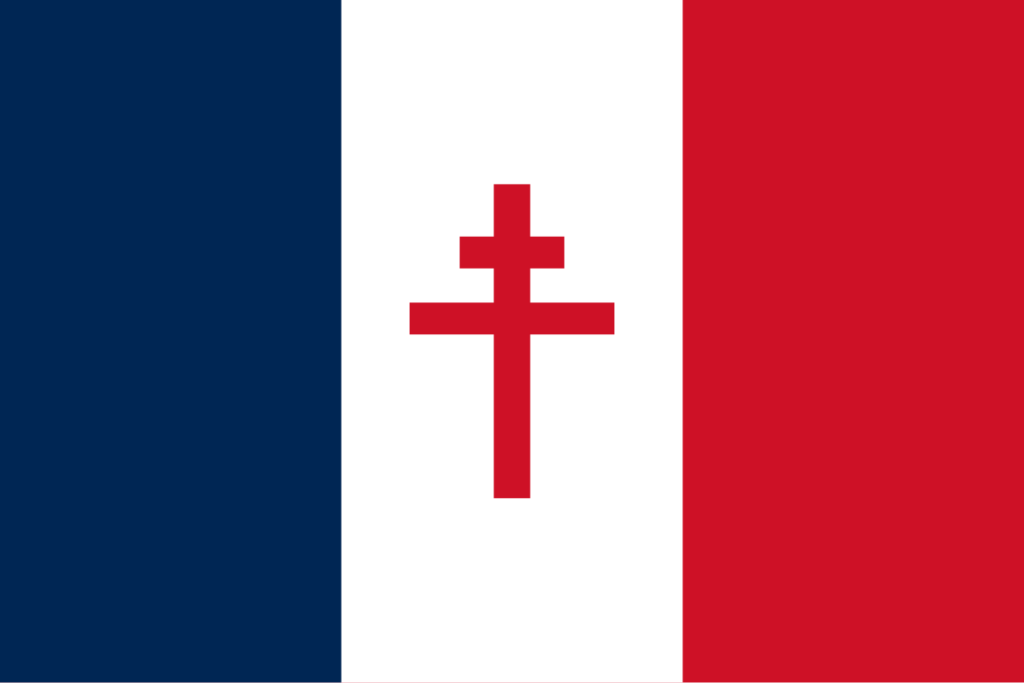
At about the same time as Pétain’s government was establishing itself in Vichy, a rival French authority emerged abroad under the leadership of military officer Charles de Gaulle. From London, de Gaulle issued his famous Appeal of 18 June, calling on French soldiers and citizens to continue the struggle against Germany. Those who rallied to him formed the movement known as Free France.
De Gaulle rejected the legitimacy of the Vichy regime, arguing that the National Assembly’s vote granting emergency powers to Pétain was illegitimate. As a result, the Free French also maintained that the Third Republic had never legally ceased to exist, even though its territory had been occupied and its institutions dismantled. In practice, however, the movement had to construct new governing structures in exile. During the war, these evolved gradually from a small resistance leadership into a more formal governmental authority.
In 1943, Free France (formally the French National Committee) merged with resistance forces in North Africa to form the French Committee of National Liberation, which functioned as a provisional government coordinating military and political activities in territories controlled by the Allies. It was this government that returned to Paris in August 1944 when the city was liberated by Allied forces.
President of the French National Committee
Général de Brigade Charles André Joseph Marie de Gaulle
Date of birth/date of death: b. November 22 1890; d. November 9 1970.
Military ranks: Promoted to Brigade General (général de brigade), 1940.
Political offices held: Chairman of the French National Committee, 1941 – 1943; Chairman of the French Committee of National Liberation, 1943 – 1944; Chairman of the Provisional Government of the French Republic, 1944 – 1946; Prime Minister of France, 1958 – 1959; Minister of Defence, 1958 – 1959; President of France, 1959 – 1969.
Non-Partisan
1941 – 1943
President of the French Committee of National Liberation
Général de Brigade Charles André Joseph Marie de Gaulle
Date of birth/date of death: b. November 22 1890; d. November 9 1970.
Military ranks: Promoted to Brigade General (général de brigade), 1940.
Political offices held: Chairman of the French National Committee, 1941 – 1943; Chairman of the French Committee of National Liberation, 1943 – 1944; Chairman of the Provisional Government of the French Republic, 1944 – 1946; Prime Minister of France, 1958 – 1959; Minister of Defence, 1958 – 1959; President of France, 1959 – 1969.
Non-Partisan
1943 – 1944
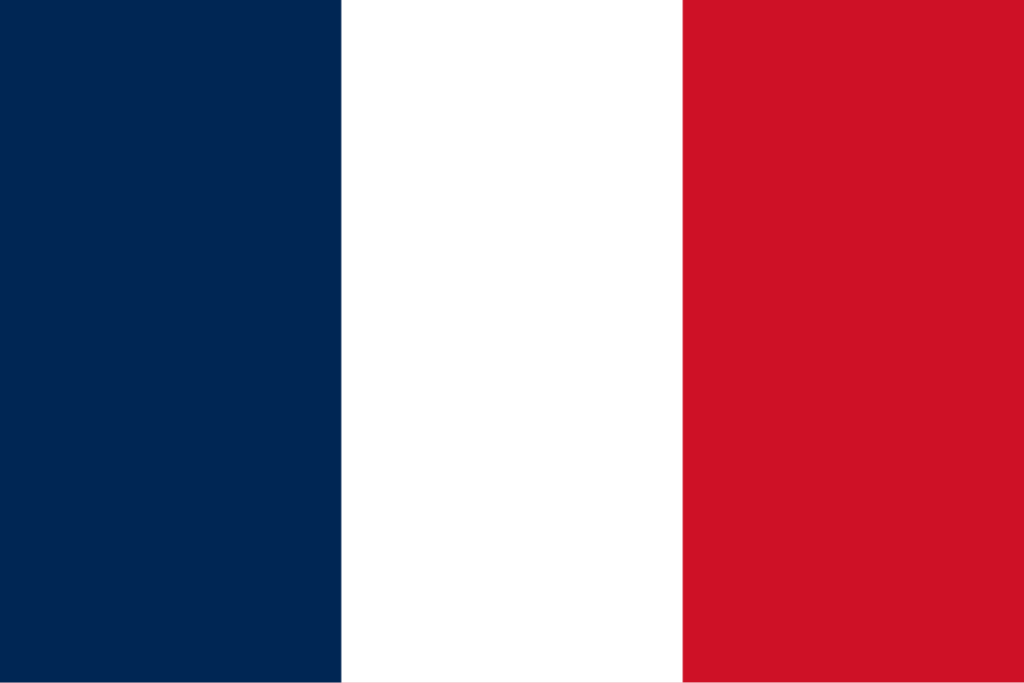
Provisional Government of the French Republic
Following the liberation of France in 1944, the authority of of the Free French government-in-exile, the French Committee of National Liberation, passed to the Provisional Government of the French Republic. Initially, this body continued to be led by Charles de Gaulle. The provisional government assumed responsibility for restoring civil administration and preparing the country for a new constitutional order.
Although the provisional government maintained that the Third Republic had never legally ceased to exist, it did not restore the institutions of that regime. Instead, de Gaulle and other leaders of the Resistance argued that the constitutional system of the Third Republic had contributed to the instability that preceded the war. As a result, the presidency and the prewar parliamentary system were not revived. Executive authority was instead exercised by the chairman of the provisional government, who functioned primarily as head of government while also performing many of the duties normally associated with a head of state.
The provisional government governed France during the transition from occupation to a new republican constitution. After a series of referendums and elections held between 1945 and 1946, a new constitution was adopted establishing the French Fourth Republic.
Chairman of the Provisional Government of the French Republic
Général de Brigade Charles André Joseph Marie de Gaulle
Date of birth/date of death: b. November 22 1890; d. November 9 1970.
Military ranks: Promoted to Brigade General (général de brigade), 1940.
Political offices held: Chairman of the French National Committee, 1941 – 1943; Chairman of the French Committee of National Liberation, 1943 – 1944; Chairman of the Provisional Government of the French Republic, 1944 – 1946; Prime Minister of France, 1958 – 1959; Minister of Defence, 1958 – 1959; President of France, 1959 – 1969.
Independent
1944 – 1946
Félix Gouin
Date of birth/date of death: b. October 5 1884; d. October 25 1977.
Political offices held: President of the Consultative Assembly, 1943 – 1945; President of the Constituent National Assembly, 1945 – 1946; Chair of the Provisional Government of the French Republic, 1946.
French Section of the Workers’ International
1946
Georges-Augustin Bidault
Date of birth/date of death: b. October 5 1899; d. January 27 1983.
Political offices held: Minister of Foreign Affairs, 1944 – 1946; Prime Minister of France, 1946; Chairman of the Provisional Government of the French Republic, 1946; Minister of Foreign Affairs, 1947 – 1948; Prime Minister of France, 1949 – 1950; Deputy Prime Minister of France, 1950; Deputy Prime Minister of France, 1951 – 1952; Minister of National Defense, 1951 – 1952; Minister of Foreign Affairs, 1953 – 1954.
Popular Republican Movement
1946
Vincent Jules Auriol
Date of birth/date of death: b. August 27 1884; d. January 1 1966.
Prime Ministers: Paul Ramadier, 1947; Robert Schuman, 1947 – 1948; André Marie, 1948; Robert Schuman, 1948; Henri Queuille, 1948 – 1949; Georges Bidault, 1949 – 1950; Henri Queuille, 1950; René Pleven, 1950 – 1951; Henri Queuille, 1951; René Pleven, 1951 – 1952; Edgar Faure, 1952; Antoine Pinay, 1952 – 1953; René Mayer, 1953; Joseph Laniel, 1953 – 1954.
Political offices held: Minister of Finance, 1936 – 1937; Minister of Justice, 1937 – 1938; Chairman of the Provisional Government of the French Republic, 1946; President of the National Assembly, 1946 – 1947; President of France, 1947 – 1954.
French Section of the Workers’ International
1946
André Léon Blum
Date of birth/date of death: b. April 9 1872; d. March 30 1950.
Political offices held: Prime Minister of France, 1936 – 1937; Deputy Prime Minister of France, 1937 – 1938; Minister of Finance, 1938; Prime Minister of France, 1938; Minister of Foreign Affairs, 1946 – 1947; Chairman of the Provisional Government of the French Republic, 1946 – 1947; Deputy Prime Minister of France, 1948.
French Section of the Workers’ International
1946 – 1947
French Fourth Republic
Heads of State of the French Fourth Republic
The constitution of 1946 established the French Fourth Republic, restoring the office of President of the Republic after its absence during the provisional period following World War II. The president was elected for a seven-year term by parliament sitting as the National Assembly, and was formally endowed with a range of executive powers, including the appointment of the prime minister, the promulgation of laws, and the presiding over the Council of Ministers.
In practice, however, the presidency was subordinate to the legislature. The constitution of 1946 established the French Fourth Republic, restoring the office of President of the Republic after its absence during the provisional period following World War II. The president was elected for a seven-year term by parliament sitting as the National Assembly, and was formally endowed with a range of executive powers, including the appointment of the prime minister, the promulgation of laws, and the presiding over the Council of Ministers.
In practice, however, the presidency was subordinate to the legislature. Real political authority rested with the government, which depended on the confidence of the National Assembly. The president’s role in appointing the prime minister was largely constrained by parliamentary realities, requiring the selection of a figure capable of commanding majority support. As under the French Third Republic, the president was expected to remain above day-to-day political conflict and did not exercise independent executive authority.
The Fourth Republic was characterized by frequent changes of government and shifting parliamentary coalitions. Within this system, the president functioned primarily as a ceremonial head of state and a symbol of continuity, rather than as an active political leader. This arrangement persisted until the collapse of the Fourth Republic in 1958, when a new constitution would once again redefine the role of the presidency in France.
President of the French Republic
Vincent Jules Auriol
Date of birth/date of death: b. August 27 1884; d. January 1 1966.
Prime Ministers: Paul Ramadier, 1947; Robert Schuman, 1947 – 1948; André Marie, 1948; Robert Schuman, 1948; Henri Queuille, 1948 – 1949; Georges Bidault, 1949 – 1950; Henri Queuille, 1950; René Pleven, 1950 – 1951; Henri Queuille, 1951; René Pleven, 1951 – 1952; Edgar Faure, 1952; Antoine Pinay, 1952 – 1953; René Mayer, 1953; Joseph Laniel, 1953 – 1954.
Political offices held: Minister of Finance, 1936 – 1937; Minister of Justice, 1937 – 1938; Chairman of the Provisional Government of the French Republic, 1946; President of the National Assembly, 1946 – 1947; President of France, 1947 – 1954.
French Section of the Workers’ International
1947 – 1954
Gustave Jules René Coty
Date of birth/date of death: b. March 20 1882; d. November 22 1962.
Prime Ministers: Joseph Laniel, 1953 – 1954; Pierre Mendes-France, 1954 – 1955; Edgar Faure, 1955 – 1956; Guy Mollet, 1956 – 1957; Maurice Bourgès-Maunoury, 1957; Félix Gaillard, 1957 – 1958; Pierre Pfimlin, 1958; Charles de Gaulle, 1958 – 1959.
Political offices held: Member of the French Chamber of Deputies, 1923 – 1935; Member of the Senate of France, 1936 – 1944; Member of the National Assembly of France, 1945 – 1948; Minister of Reconstruction and Urban Development, 1947 – 1948; Member of the Senate of France, 1948 – 1953; President of France, 1954 – 1959.
National Centre of Independents and Peasants
1954 – 1959
The Fifth Republic
Heads of State of the French Fifth Republic
The instability of the French Fourth Republic ultimately led to its collapse in 1958. The constitution of 1958 established the French Fifth Republic, fundamentally transforming the role of the presidency. Drafted under the leadership of Charles de Gaulle during a period of political crisis, the new system was designed to avoid the instability of the French Fourth Republic by creating a strong and independent executive authority.
Under the new constitution, the President of the Republic was endowed with extensive powers. These included the appointment of the prime minister, the ability to dissolve the National Assembly, the authority to submit legislation to referendum, and the assumption of emergency powers under certain conditions. In 1962, a constitutional amendment introduced the direct election of the president by universal suffrage, further strengthening the office by giving it a direct democratic mandate.
In contrast to earlier republican systems, the presidency of the Fifth Republic became the central institution of political power in France. While the government remains responsible to parliament, the president plays a decisive role in setting national policy, particularly when supported by a parliamentary majority. Periods of “cohabitation,” in which the president and parliamentary majority come from opposing political camps, have demonstrated that executive authority can be shared, but even in these cases the president retains significant influence, particularly in foreign and defense policy.
President of the French Republic
Charles André Joseph Marie de Gaulle
Date of birth/date of death: b. November 22 1890; d. November 9 1970.
Union for the New Republic (1959 – 1967); Union of Democrats for the Republic (1967 – 1969)
1959 – 1969
Alain Émile Louis Marie Poher (*acting)
Date of birth/date of death: b. April 17 1909; d. December 9 1996.
Democratic Centre
1969
Georges Jean Raymond Pompidou
Date of birth/date of death: b. July 5 1911; d. April 2 1974.
Union of Democrats for the Republic
1969 – 1974
Alain Émile Louis Marie Poher (*acting)
Date of birth/date of death: b. April 17 1909; d. December 9 1996.
Democratic Centre
1974
Valéry René Marie Georges Giscard d’Estaing
Date of birth/date of death: b. February 2 1926; d. December 2 2020.
Independent Republicans (1974 – 1977); Republican Party (1977 – 1981)
1974 – 1981
François Maurice Adrien Marie Mitterrand
Date of birth/date of death: b. October 26 1916; d. January 8 1996.
Socialist Party
1981 – 1995
Jacques René Chirac
Date of birth/date of death: b. November 29 1932; d. September 26 2019.
Rally for the Republic (1995 – 2002); Union for a Popular Movement (2002 – 2007)
1995 – 2007
Nicolas Paul Stéphane Sarközy de Nagy-Bocsa
Date of birth/date of death: b. January 28 1955.
Union for a Popular Movement
2007 – 2012
François Gérard Georges Nicolas Hollande
Date of birth/date of death: b. August 12 1954.
Socialist Party
2012 – 2017
Emmanuel Jean-Michel Frédéric Macron
Date of birth/date of death: b. December 21 1977.
Renaissance
2017 – present
Heads of government of France
Kingdom of France
Chief Minister of the French Monarch
Charles Gravier, comte de Vergennes
Date of birth/date of death: b. December 29 1719; d. February 13 1787.
1781 – 1787
Kingdom of France (Bourbon Restoration and July Monarchy)
President of the Council of Ministers
Charles-Maurice de Talleyrand-Périgord, duc de Talleyrand
Date of birth/date of death: b. February 2 1754; d. May 17 1838
Independent
1815
Jean-Baptiste Guillaume Joseph Marie Anne Séraphin, comte de Villèle
Date of birth/date of death: b. February 2 1754; d. May 17 1838
Ultra-Royalists
1821 – 1828
Jean-de-Dieu Soult, 1e duc de Dalmatia
Date of birth/date of death: b. March 26 1769; d. November 26 1851.
Resistance Party
1832 – 1834
Marie Joseph Louis Adolphe Thiers
Date of birth/date of death: b. April 15 1797; d. September 3 1877.
Movement Party
1836
Jean-de-Dieu Soult, 1e duc de Dalmatia
Date of birth/date of death: b. March 26 1769; d. November 26 1851.
Resistance Party
1839 – 1840
Marie Joseph Louis Adolphe Thiers
Date of birth/date of death: b. April 15 1797; d. September 3 1877.
Movement Party
1840
Jean-de-Dieu Soult, 1e duc de Dalmatia
Date of birth/date of death: b. March 26 1769; d. November 26 1851.
Resistance Party
1840 – 1847
François Pierre Guillaume Guizot
Date of birth/date of death: b. October 4 1787; d. September 12 1874.
Resistance Party
1847 – 1848
Second French Empire
Prime Minister of France
Charles Cousin-Montauban, comte de Palikau
Date of birth/date of death: b. June 28 1883; d. October 15 1945.
Independent
1870
The Third Republic
President of the Council of Ministers
Léon Gambetta
Date of birth/date of death: b. April 2 1838; d. December 31 1882.
Republican Union
1881 – 1882
Clément Armand Fallières
Date of birth/date of death: b. November 6 1841; d. June 22 1931.
Moderate Republicans
1883
Charles Thomas Floquet
Date of birth/date of death: b. October 2 1828; d. January 18 1896.
Republican Union
1888 – 1889
Émile François Loubet
Date of birth/date of death: b. December 30 1838; d. December 20 1929.
Moderate Republicans
1892
Alexandre-Félix-Joseph Ribot
Date of birth/date of death: b. February 7 1842; d. January 13 1923.
Independent
1892 – 1893
Jean Paul Pierre Casimir-Perier
Date of birth/date of death: b. November 8 1847; d. March 11 1907.
Moderate Republicans
1893 – 1894
Alexandre-Félix-Joseph Ribot
Date of birth/date of death: b. February 7 1842; d. January 13 1923.
Independent
1895
Léon Victor Auguste Bourgeois
Date of birth/date of death: b. May 21 1851; d. September 29 1925.
Radical Party
1895 – 1896
Georges Benjamin Clemenceau
Date of birth/date of death: b. September 28 1841; d. November 24 1929.
Radical Party
1906 – 1909
Aristide Pierre Henri Briand
Date of birth/date of death: b. March 28 1862; d. March 7 1932.
Independent Socialists
1909 – 1911
Joseph-Marie-Auguste Caillaux
Date of birth/date of death: b. March 30 1863; d. November 22 1944.
Radical Party
1911 – 1912
Raymond Nicolas Landry Poincaré
Date of birth/date of death: b. August 20 1860; d. October 15 1934.
Democratic Republican Alliance
1912 – 1913
Aristide Pierre Henri Briand
Date of birth/date of death: b. March 28 1862; d. March 7 1932.
Republican-Socialist Party
1913
Jean Louis Barthou
Date of birth/date of death: b. August 25 1862; d. October 9 1934.
Democratic Republican Alliance
1913
Pierre Paul Henri Gaston Doumergue
Date of birth/date of death: b. August 1 1863; d. June 18 1937.
Radical Party
1913 – 1914
Alexandre-Félix-Joseph Ribot
Date of birth/date of death: b. February 7 1842; d. January 13 1923.
Independent
1914
Jean Raphaël Adrien René Viviani
Date of birth/date of death: b. November 8 1863; d. September 7 1925.
Republican-Socialist Party
1914 – 1915
Aristide Pierre Henri Briand
Date of birth/date of death: b. March 28 1862; d. March 7 1932.
Republican-Socialist Party
1915 – 1917
Alexandre-Félix-Joseph Ribot
Date of birth/date of death: b. February 7 1842; d. January 13 1923.
Independent
1917
Paul Painlevé
Date of birth/date of death: b. December 5 1863; d. October 29 1933.
Republican-Socialist Party
1917
Georges Benjamin Clemenceau
Date of birth/date of death: b. September 28 1841; d. November 24 1929.
Independent Radicals
1917 – 1920
Alexandre Millerand
Date of birth/date of death: b. February 10 1859; d. April 6 1943.
Independent
1920
Aristide Pierre Henri Briand
Date of birth/date of death: b. March 28 1862; d. March 7 1932.
Republican-Socialist Party
1921 – 1922
Raymond Nicolas Landry Poincaré
Date of birth/date of death: b. August 20 1860; d. October 15 1934.
Democratic Republican Alliance
1922 – 1924
Frédéric François-Marsal
Date of birth/date of death: b. March 16 1874; d. May 20 1958.
Independent
1924
Édouard Marie Herriot
Date of birth/date of death: b. July 5 1872; d. March 26 1957.
Radical Party
1924 – 1925
Paul Painlevé
Date of birth/date of death: b. December 5 1863; d. October 29 1933.
Republican-Socialist Party
1925
Aristide Pierre Henri Briand
Date of birth/date of death: b. March 28 1862; d. March 7 1932.
Republican-Socialist Party
1925 – 1926
Édouard Marie Herriot
Date of birth/date of death: b. July 5 1872; d. March 26 1957.
Radical Party
1926
Raymond Nicolas Landry Poincaré
Date of birth/date of death: b. August 20 1860; d. October 15 1934.
Democratic Republican Alliance
1926 – 1929
Aristide Pierre Henri Briand
Date of birth/date of death: b. March 28 1862; d. March 7 1932.
Republican-Socialist Party
1929
André Pierre Gabriel Amédée Tardieu
Date of birth/date of death: b. September 22 1876; d. September 15 1945.
Democratic Republican Alliance
1929 – 1930
Camille Chautemps
Date of birth/date of death: b. February 1 1885; d. July 1 1963.
Radical Party
1930
André Pierre Gabriel Amédée Tardieu
Date of birth/date of death: b. September 22 1876; d. September 15 1945.
Democratic Republican Alliance
1930
Théodore Steeg
Date of birth/date of death: b. December 19 1868; d. December 19 1950.
Radical Party
1930 – 1931
Pierre Jean Marie Laval
Date of birth/date of death: b. June 28 1883; d. October 15 1945.
Independent
1931 – 1932
André Pierre Gabriel Amédée Tardieu
Date of birth/date of death: b. September 22 1876; d. September 15 1945.
Democratic Republican Alliance
1932
Édouard Marie Herriot
Date of birth/date of death: b. July 5 1872; d. March 26 1957.
Radical Party
1932
Augustin Alfred Joseph Paul-Boncour
Date of birth/date of death: b. August 4 1873; d. March 28 1972.
Republican-Socialist Party
1932 – 1933
Édouard Daladier
Date of birth/date of death: b. June 18 1884; d. October 10 1970.
Radical-Socialist Party
1933
Albert-Pierre Sarraut
Date of birth/date of death: b. July 28 1872; d. November 26 1962.
Radical Party
1933
Camille Chautemps
Date of birth/date of death: b. February 1 1885; d. July 1 1963.
Radical Party
1933 – 1934
Édouard Daladier
Date of birth/date of death: b. June 18 1884; d. October 10 1970.
Radical-Socialist Party
1934
Pierre Paul Henri Gaston Doumergue
Date of birth/date of death: b. August 1 1863; d. June 18 1937.
Radical Party
1934
Pierre-Étienne Flandin
Date of birth/date of death: b. April 12 1889; d. June 13 1958.
Democratic Republican Alliance
1934 – 1935
Fernand Bouisson
Date of birth/date of death: b. June 16 1874; d. December 28 1959.
Independent
1935
Albert-Pierre Sarraut
Date of birth/date of death: b. July 28 1872; d. November 26 1962.
Radical Party
1936
André Léon Blum
Date of birth/date of death: b. April 9 1872; d. March 30 1950.
French Section of the Workers’ International
1936 – 1937
Camille Chautemps
Date of birth/date of death: b. February 1 1885; d. July 1 1963.
Radical Party
1937 – 1938
André Léon Blum
Date of birth/date of death: b. April 9 1872; d. March 30 1950.
French Section of the Workers’ International
1938
Édouard Daladier
Date of birth/date of death: b. June 18 1884; d. October 10 1970.
Radical-Socialist Party
1938 – 1940
Paul Reynaud
Date of birth/date of death: b. October 15 1878; d. September 21 1966
Democratic Republican Alliance
1940
Henri Philippe Bénoni Omer Joseph Pétain
Date of birth/date of death: April 24 1856; d. July 23 1951
Independent
1940
Vice President of the Council of Ministers
Paul Reynaud
Date of birth/date of death: b. October 15 1878; d. September 21 1966
Democratic Republican Alliance
1932
Édouard Daladier
Date of birth/date of death: b. June 18 1884; d. October 10 1970.
Radical-Socialist Party
1936 – 1937
André Léon Blum
Date of birth/date of death: b. April 9 1872; d. March 30 1950.
French Section of the Workers’ International
1937 – 1938
Édouard Daladier
Date of birth/date of death: b. June 18 1884; d. October 10 1970.
Radical-Socialist Party
1938
Pierre Jean Marie Laval
Date of birth/date of death: b. June 28 1883; d. October 15 1945.
Independent
1940
The French State (Vichy France)
President of the Council of Ministers
Maréchal de France Henri Philippe Bénoni Omer Joseph Pétain
Date of birth/date of death: April 24 1856; d. July 23 1951
Révolution nationale
1940 – 1942
Pierre Jean Marie Laval
Date of birth/date of death: b. June 28 1883; d. October 15 1945.
Révolution nationale
1942 – 1944
Deputy President of the Council of Ministers
Admiral of the Fleet Jean Louis Xavier François Darlan
Date of birth/date of death: b. August 7 1881; d. December 24 1942.
Independent
1941 – 1942
Provisional Government of the French Republic
Prime Minister of France
Félix Gouin
Date of birth/date of death: b. October 5 1884; d. October 25 1977.
French Section of the Workers’ International
1946
Georges-Augustin Bidault
Date of birth/date of death: b. October 5 1899; d. January 27 1983.
Popular Republican Movement
1946
Deputy Prime Minister of France
Maurice Thorez
Date of birth/date of death: b. April 28 1900; d. July 11 1964.
French Communist Party
1946
Maurice Thorez
Date of birth/date of death: b. April 28 1900; d. July 11 1964.
French Communist Party
1946
Maurice Thorez
Date of birth/date of death: b. April 28 1900; d. July 11 1964.
French Communist Party
1947
The Fourth Republic
President of the Council of Ministers
Paul Ramadier
Date of birth/date of death: b. March 17 1888; d. October 14 1961.
French Section of the Workers’ International
1947
Jean-Baptiste Nicolas Robert Schuman
Date of birth/date of death: b. June 29 1886; d. September 4 1963.
Popular Republican Movement
1947 – 1948
André Marie
Date of birth/date of death: b. December 3 1897; d. June 12 1974.
Radical Party
1948
Jean-Baptiste Nicolas Robert Schuman
Date of birth/date of death: b. June 29 1886; d. September 4 1963.
Popular Republican Movement
1948
Henri Queuille
Date of birth/date of death: b. March 31 1884; d. June 15 1970.
Radical Party
1948 – 1949
Georges-Augustin Bidault
Date of birth/date of death: b. October 5 1899; d. January 27 1983.
Popular Republican Movement
1949 – 1950
Henri Queuille
Date of birth/date of death: b. March 31 1884; d. June 15 1970.
Radical Party
1950
René Jean Pleven
Date of birth/date of death: b. April 15 1901; d. January 13 1993.
Democratic and Socialist Union of the Resistance
1950 – 1951
Henri Queuille
Date of birth/date of death: b. March 31 1884; d. June 15 1970.
Radical Party
1951
René Jean Pleven
Date of birth/date of death: b. April 15 1901; d. January 13 1993.
Democratic and Socialist Union of the Resistance
1951 – 1952
Edgar Jean Faure
Date of birth/date of death: b. August 18 1908; d. March 30 1988.
Radical Party
1952
Antoine Pinay
Date of birth/date of death: b. December 30 1891; d. December 13 1994.
National Centre of Independents and Peasants
1952 – 1953
René Mayer
Date of birth/date of death: b. May 4 1895; d. December 13 1972.
Radical Party
1953
Joseph Laniel
Date of birth/date of death: b. October 12 1889; d. April 8 1975.
National Centre of Independents and Peasants
1953 – 1954
Pierre Isaac Isidore Mendès France
Date of birth/date of death: b. January 11 1907; d. October 18 1982.
Radical Party
1954 – 1955
Edgar Jean Faure
Date of birth/date of death: b. August 18 1908; d. March 30 1988.
Radical Party
1955 – 1956
Guy Alcide Mollet
Date of birth/date of death: b. December 31 1905; d. October 3 1975.
French Section of the Workers’ International
1956 – 1957
Maurice Bourgès-Maunoury
Date of birth/date of death: b. August 19 1914; d. February 10 1993.
Radical Party
1957
Félix Gaillard d’Aimé
Date of birth/date of death: b. November 5 1919; d. July 10 1970.
Radical Party
1957 – 1958
Pierre Eugène Jean Pflimlin
Date of birth/date of death: b. February 5 1907; d. June 27 2000.
Popular Republican Movement
1958
Charles André Joseph Marie de Gaulle
Date of birth/date of death: b. November 22 1890; d. November 9 1970
Union for the New Republic
1958 – 1959
Vice President of the Council of Ministers
André Léon Blum
Date of birth/date of death: b. April 9 1872; d. March 30 1950.
French Section of the Workers’ International
1948
Henri Queuille
Date of birth/date of death: b. March 31 1884; d. June 15 1970.
Radical Party
1949 – 1950
Georges-Augustin Bidault
Date of birth/date of death: b. October 5 1899; d. January 27 1983.
Popular Republican Movement
1950
Guy Alcide Mollet
Date of birth/date of death: b. December 31 1905; d. October 3 1975.
French Section of the Workers’ International
1951
René Jean Pleven
Date of birth/date of death: b. April 15 1901; d. January 13 1993.
Democratic and Socialist Union of the Resistance
1951
Georges-Augustin Bidault
Date of birth/date of death: b. October 5 1899; d. January 27 1983.
Popular Republican Movement
1951 – 1952
Henri Queuille
Date of birth/date of death: b. March 31 1884; d. June 15 1970.
Radical Party
1952 – 1954
Paul Reynaud
Date of birth/date of death: b. October 15 1878; d. September 21 1966
National Centre of Independents and Peasants
1953 – 1954
Guy Alcide Mollet
Date of birth/date of death: b. December 31 1905; d. October 3 1975.
French Section of the Workers’ International
1958
The Fifth Republic
Prime Minister of France
Michel Jean-Pierre Debré
Date of birth/date of death: b. January 15 1912; d. August 2 1996.
Union for the New Republic
1959 – 1962
Georges Jean Raymond Pompidou
Date of birth/date of death: b. July 5 1911; d. April 2 1974.
Union for the New Republic
1962 – 1968
Jacques-Maurice Couve de Murville
Date of birth/date of death: b. January 24 1907; d. December 24 1999.
Union of Democrats for the Republic
1968 – 1969
Jacques Chaban-Delmas
Date of birth/date of death: b. March 7 1915; d. November 10 2000.
Union of Democrats for the Republic
1969 – 1972
Pierre Joseph Auguste Messmer
Date of birth/date of death: b. March 20 1916; d. August 29 2007.
Union of Democrats for the Republic
1972 – 1974
Jacques René Chirac
Date of birth/date of death: b. November 29 1932; d. September 26 2019.
Union of Democrats for the Republic
1974 – 1976
Raymond Octave Joseph Barre
Date of birth/date of death: b. April 12 1924; d. August 25 2007.
Independent
1976 – 1981
Pierre Mauroy
Date of birth/date of death: b. July 5 1928; d. June 7 2013.
Socialist Party
1981 – 1984
Laurent Fabius
Date of birth/date of death: b. August 20 1946.
Socialist Party
1984 – 1986
Jacques René Chirac
Date of birth/date of death: b. November 29 1932; d. September 26 2019.
Rally for the Republic
1986 – 1988
Michel Rocard
Date of birth/date of death: b. August 23 1930; d. July 2 2016.
Socialist Party
1988 – 1991
Édith Jeanne Thérèse Cresson
Date of birth/date of death: b. January 27 1934.
Socialist Party
1991 – 1992
Pierre Eugène Bérégovoy
Date of birth/date of death: b. December 23 1925; d. May 1 1993.
Socialist Party
1992 – 1993
Édouard Balladur
Date of birth/date of death:
Born May 2 1929. Died August 31 2026.
Rally for the Republic
March 29 1993 – May 17 1995
Alain Marie Juppé
Date of birth/date of death: b. August 15 1945.
Rally for the Republic
1995 – 1997
Lionel Robert Jospin
Date of birth/date of death: b. July 12 1937; d. March 22 2026.
Socialist Party
1997 – 2002
Jean-Pierre Raffarin
Date of birth/date of death: b. August 3 1948.
Union for a Popular Movement
2002 – 2005
Dominique Marie François René Galouzeau de Villepin
Date of birth/date of death: b. November 14 1953.
Union for a Popular Movement
2005 – 2007
François Charles Armand Fillon
Date of birth/date of death: b. March 4 1954.
Union for a Popular Movement
2007 – 2012
Jean-Marc Ayrault
Date of birth/date of death: b. January 25 1950.
Socialist Party
2012 – 2014
Manuel Carlos Valls Galfetti
Date of birth/date of death: b. August 13 1962.
Socialist Party
2014 – 2016
Édouard Charles Philippe
Date of birth/date of death: b. November 28 1970.
Independent
2017 – 2020
Jean Castex
Date of birth/date of death: b. June 25 1965.
Renaissance
2020 – 2022
Élisabeth Borne
Date of birth/date of death: b. April 18 1961.
Renaissance
2022 – 2024
Gabriel Nissim Attal de Couriss
Date of birth/date of death: b. March 16 1989.
Renaissance
2024
Michel Jean Barnier
Date of birth/date of death: b. January 9 1951.
The Republicans
2024
François René Jean Lucien Bayrou
Date of birth/date of death: b. May 25 1951.
Democratic Movement
2024 – present
Sub-National States
County of Armagnac
Count of Armagnac
Henry III
Date of birth/date of death: b. December 13 1553; d. May 14 1610.
House of Bourbon – Capet
1572 – 1589
County of Bigorre
Count of Bigorre
Henry III
Date of birth/date of death: b. December 13 1553; d. May 14 1610.
House of Bourbon – Capet
1572 – 1589
Duchy of Brittany
Duke of Brittany
Francis I
Date of birth/date of death: b. September 12 1494; d. March 31 1547.
House of Valois (Orléans-Angoulême) – Capet
1514 – 1515
County of Comminges
Count of Comminges
Henry III
Date of birth/date of death: b. December 13 1553; d. May 14 1610.
House of Bourbon – Capet
1572 – 1589
County of Foix
Count of Foix
Henry III
Date of birth/date of death: b. December 13 1553; d. May 14 1610.
House of Bourbon – Capet
1572 – 1589
Viscounty of Béarn
Viscount of Béarn
Henry III
Date of birth/date of death: b. December 13 1553; d. May 14 1610.
House of Bourbon – Capet
1572 – 1589