Heads of State of Germany
Charles the Fat (Karl der Dicke)
Date of birth/date of death: b. 839; d. January 13 888.
House of Charlemagne
January 882 – November 887
Holy Roman Empire
King in Germany
Francis II
Date of birth/date of death: b. February 12 1768; d. March 2 1835.
House of Habsburg-Lorraine – Lorraine
1792 – 1806
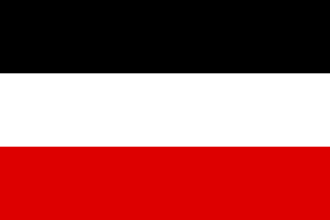
German Empire (Deutches Reich) (1871 – 1918)
The German Reich (Deutches Reich) was the formal name of the German state from its proclamation in the Palace of Versailles on January 18 1871 until the defeat of Nazi Germany in 1945 at the end of World War II. In practice, however, it makes sense to divide the political history of Germany during this period into three distinct periods: the German Empire (1871 – 1918), the Weimar Republic (1919 – 1933/34), and Nazi Germany (1933/34 – 1945).
Heads of State of the German Empire
History
The German Empire was formed from the unification of most of the German states into a single federal monarchy under the rule of Wilhelm I, King of Prussia. In his capacity as head of this new state Wilhelm assumed the title of German Emperor. This title was chosen deliberately by Wilhelm’s chancellor Otto von Bismarck to reflect the fact that the new empire preserved the federal structure of the North German Confederation: the constituent kingdoms, grand duchies, free cities and so on retained their own rulers and internal governments (Wilhelm himself remained King of Prussia in addition to his imperial title). This choice of title also avoided antagonizing Austria in the way that a title like “Emperor of Germany” might have done. Unlike the old Holy Roman Empire, the German Empire was not elective; the title of German Emperor was permanently tied to the Kings of Prussia.
Despite its federal structure, the empire was heavily dominated by Prussia, which was by far the largest and most powerful constituent state. Prussia accounted for roughly two-thirds of the empire’s territory and population, and its government controlled a large bloc of votes in the Bundesrat, the upper house of the legislature representing the states. Because the imperial crown was permanently tied to the Prussian monarchy, the German Emperor ruled simultaneously as both Emperor and King of Prussia.
The emperor held broad powers over foreign and military affairs, and could appoint and dismiss his chief minister, the imperial chancellor. Under the Imperial German Constitution the chancellor was responsible to the emperor, not to the popularly elected lower house of the legislature (the Reichstag). In practice, however, the emperor and the chancellor could not govern effectively without support from the Reichstag, which controlled taxation and was required to pass legislation.
In the early years of the empire, imperial policy was largely controlled by Bismarck. This changed when the new emperor Wilhelm II dismissed his chancellor in 1890 and began to take a greater personal involvement in major decisions. At the same time, political parties in the Reichstag were becoming stronger and popular participation in politics was on the rise. These competing forces meant that the empire was already weakening from an institutional point of view before the outbreak of World War I in 1914. During the war, effective power passed from both the emperor and the Reichstag into the hands of the military until 1918, when the pro-peace faction in the Reichstag began increasingly to assert itself. With the German Empire crumbling under the strain of a looming military defeat, Wilhelm II abdicated on November 9 1918, bringing the monarchy to an end.
List of German Emperors (Deutscher Kaiser)
List of German Emperors (1871 – 1918)
Ruler
Dynasty
Dates
William I (Wilhlem I)
Date of birth/date of death: b. March 22 1797; d. March 9 1888
Spouse: Augusta of Saxe-Weimar-Eisenach (b. September 30 1811; d. January 7 1890)
Children: (1) Frederick III, German Emperor, King of Prussia (b. October 18 1831; d. June 15 1888); (2) Princess Louise of Prussia, Grand Duchess of Baden (b. December 3 1838; d. April 23 1923)
House of Hohenzollern
January 1 1871 – March 9 1888
Frederick III (Friedrich III)
Date of birth/date of death: b. October 18 1831; d. June 15 1888.
House of Hohenzollern
March 9 1888 – June 15 1888
William II (Wilhelm II)
Date of birth/date of death: b. January 27 1859; d. June 4 1941.
House of Hohenzollern
June 15 1888 – November 28 1918
Notes and References
Heads of Government of the German Empire
History
Otto von Bismarck, chancellor of the North German Confederation, continued to hold that office as the Confederation evolved into the German Empire over the first several months of 1871. Initially this was under the terms of the Constitution of the German Confederation (Verfassung des Deutschen Bundes), taking effect on January 1 1871, the same day that King Wilhelm I of Prussia took on the title of German Emperor. This constitution was a result of a series of treaties between the North German Confederation and the independent states of southern Germany, including the Kingdoms of Bavaria and Württemberg and the Grand Duchies of Baden and Hesse. Elections under this constitution were held on March 3 1871 to elect the first Reichstag of the new German Empire.
The position of chancellor in the German Empire was formally established by the Imperial German Constitution (Verfassung des Deutschen Reiches), which came into force on May 4 1871. The chancellor was appointed directly by the emperor, and served as the chair of the Bundesrat, the upper house of the legislature. In practice the chancellor was almost always also the minister-president of Prussia, which had the largest number of votes of any state in the Bundesrat (sufficient to block any constitutional changes under Article 78 of the constitution1). The office was therefore a powerful one in the German constitutional structure. This was particularly true during the long chancellorship of Bismarck, who was given wide latitude by Wilhelm I to conduct government affairs and whose prestige was unmatched in the early years of the German Empire.
Later chancellors did not wield the same kind of influence that Bismarck did, and after 1890 the emperor Wilhelm II took a more active role in setting government policy. Bismarck’s successor Leo von Caprivi attempted a variety of liberal reforms, but was met with strong opposition from conservative forces and was dismissed by the emperor after four years in office; Caprivi’s successor, Chlodwig zu Hohenlohe-Schillingsfürst, was largely a non-entity. Bernhard von Bülow was more effective at managing both the Reichstag and his mercurial monarch until his political position collapsed in the aftermath of the Daily Telegraph Affair of 1908.
The last imperial chancellor to operate somewhat autonomously was Theobald von Bethmann Hollweg, a moderate reformer who after the outbreak of World War I in August 1914 quickly lost much of his practical authority to the military leadership. The final chancellors of the German Empire were weak figures with little influence; by 1917, Germany was effectively under military rule. As the German Empire collapsed in November 1918, the final imperial chancellor Max von Baden announced the abdication of Wilhelm II, then resigned himself and appointed Friedrich Ebert his successor.
List of Imperial Chancellors of the German Empire (Reichskanzler)
List of Imperial Chancellors of the German Empire (1871 – 1918)
Name
Political Party
Dates in Office
Otto Eduard Leopold, Fürst von Bismarck
Date of birth/date of death: b. April 1 1815; d. July 30 1898.
Non-Partisan
March 21 1871 – March 18 1890
Georg Leo Graf von Caprivi
Date of birth/date of death: b. February 24 1831; d. February 6 1899.
Non-Partisan
March 18 1890 – October 26 1894
The office of Imperial Chancellor was vacant between October 26 1894 and October 29 1894.
Chlodwig Karl Viktor, Fürst zu Hohenlohe-Schillingsfürst
Date of birth/date of death: b. March 31 1819; d. July 6 1901.
Non-Partisan
October 29 1894 – October 17 1900
Bernhard Heinrich Karl Martin, Fürst von Bülow
Date of birth/date of death: b. May 3 1849; d. October 28 1929.
Non-Partisan
October 17 1900 – July 14 1909
Theobald Theodor Friedrich Alfred von Bethmann Hollweg
Date of birth/date of death: b. November 29 1856; d. January 1 1921.
Non-Partisan
July 14 1909 – July 13 1917
Georg Michaelis
Date of birth/date of death: b. September 8 1857; d. July 24 1936.
Non-Partisan
July 14 1917 – November 1 1917
Georg Friedrich Karl Freiherr von Hertling
Date of birth/date of death: b. August 31 1843; d. January 4 1919.
German Centre Party
November 1 1917 – September 30 1918
The office of Imperial Chancellor was vacant between September 30 1918 and October 3 1918.
Maximilian, Prinz und Markgraf von Baden
Date of birth/date of death: b. July 10 1867; d. November 6 1929.
Non-Partisan
October 3 1918 – November 9 1918
Notes and References
[1] Constitution of the German Empire (April 16, 1871), art. 78, Reichsgesetzblatt 1871, p. 85; English translation in German History in Documents and Images, accessed April 29, 2026, https://germanhistorydocs.org/en/forging-an-empire-bismarckian-germany-1866-1890/constitution-of-the-german-empire-april-16-1871.
Deputy Heads of Government of the German Empire
General Deputy to the Imperial Chancellor (Allgemeiner Stellvertreter des Reichskanzlers)
Theobald Theodor Friedrich Alfred von Bethmann Hollweg
Date of birth/date of death: b. November 29 1856; d. January 1 1921.
Non-Partisan
June 24 1907 – July 10 1909
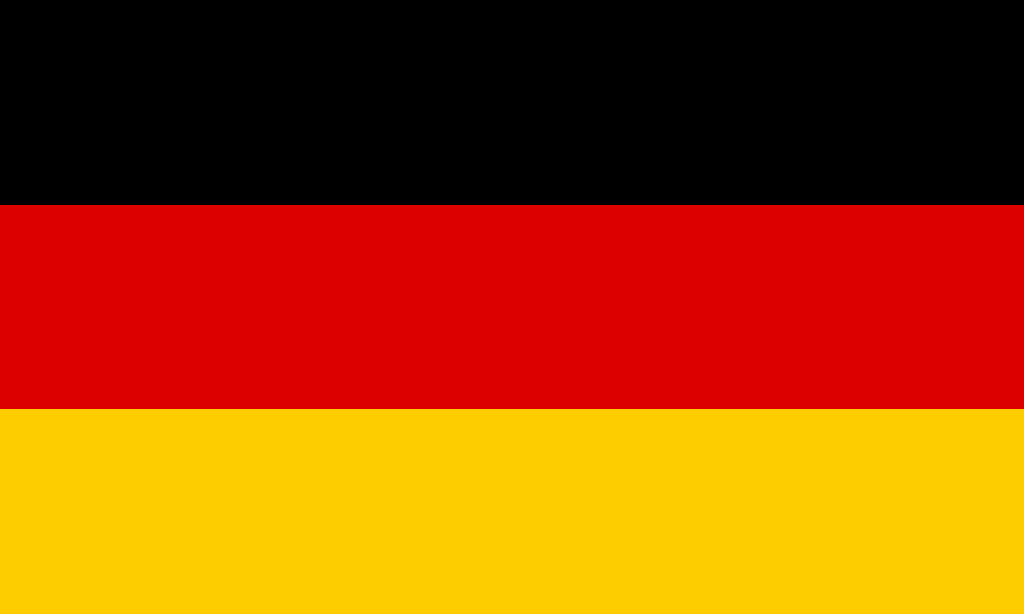
Weimar Republic (Deutches Reich) (1919 – 1933)
Heads of State of the Weimar Republic
History
On the same day that Wilhelm II abdicated the German throne, the outgoing imperial chancellor had appointed Friedrich Ebert, the leader of the Social Democratic Party, as chancellor. In theory, the imperial constitution remained in force, but in practice there was no head of state during this early period. A provisional body in which Ebert played a leading role, called the Council of People’s Representatives, acted as the de facto government during this transition period. On January 19 1919, a new National Assembly was elected, and on February 11 1919 they voted Ebert as provisional president of a new German republic (often called the Weimar Republic, since they were meeting in that city due to political instability in Berlin).
The Weimar Constitution, establishing Germany as a federal parliamentary republic with a president as head of state, legally came into force on August 11 1919, with Ebert continuing as president. It was envisioned that the Reichstag, headed by a chancellor and cabinet politically dependent on the legislature, would do most of the governing, with the president acting as a stabilizing authority. This is indeed how the system worked over its first decade. Under the strains and pressures produced by the effects of the Great Depression, however, the emergency powers available to the president (now conservative monarchist Paul von Hindenburg) received increasing attention.
In 1930, Hindenburg appointed a new chancellor, Heinrich Brüning, who lacked majority support in the Reichstag. When the legislature rejected Brüning’s proposals, they were passed anyway by Hindenburg via emergency decrees. When the Reichstag voted to overturn these decrees, Hindenburg dissolved the legislature and called new elections. This political instability and the economic calamity of the Depression weakened the credibility of parliamentary government and led to a large increase in support for extremist parties, particularly the Nazi Party and the Communist Party. Even before Hindenburg appointed Hitler chancellor on January 30 1933, then, the Weimar Republic had already been fatally weakened.
List of Heads of State of the Weimar Republic
President of Germany
Name
Political Party
Dates in Office
Friedrich Ebert
Date of birth/date of death:
Born February 4 1871. Died February 28 1925.
Social Democratic Party of Germany
1919 – 1925
Hans Luther (acting)
Date of birth/date of death:
Born March 10 1879. Died May 11 1962.
Independent
1925
Walter Simons (acting)
Date of birth/date of death:
Born September 24 1861. Died July 14 1937.
Independent
1925
Paul Ludwig Hans Anton von Hindenburg
Date of birth/date of death:
Born October 2 1847. Died August 2 1934.
Independent
1925 – 1933
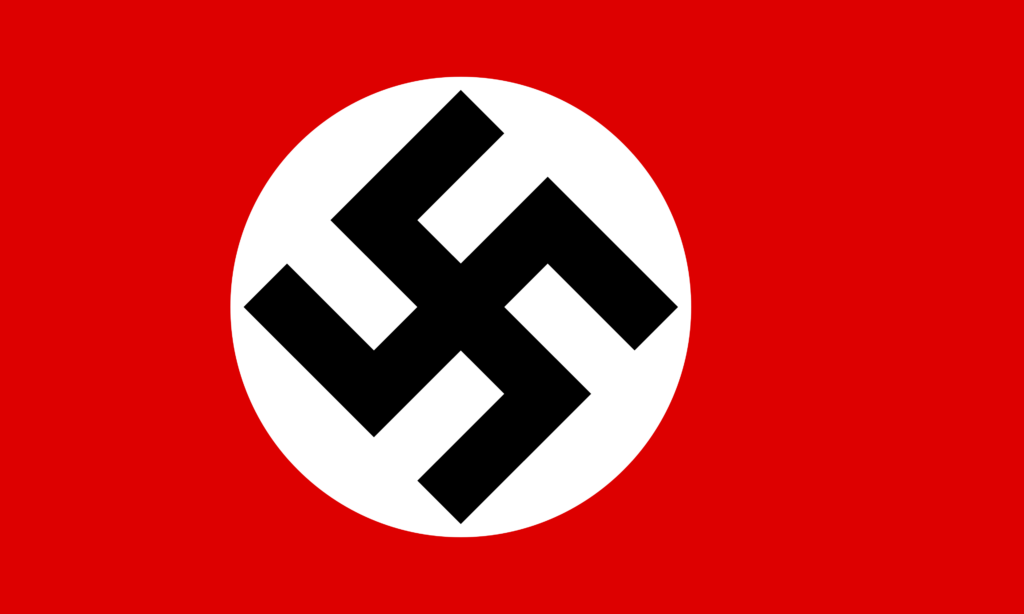
Nazi Germany (Deutches Reich, 1933 – 1943; Großdeutsches Reich, 1943 – 1945)
Heads of State of Nazi Germany
History
The Weimar Constitution continued to operate after Hitler became chancellor. Although the Nazi regime moved swiftly to begin dismantling Germany’s democratic institutions, the constitutional framework under which Hitler operated was never formally abolished.
The consolidation of Nazi power began within weeks of Hitler’s appointment. Following the Reichstag Fire in February 1933, Hindenburg issued an emergency decree suspending many constitutional liberties. Shortly afterward, the Enabling Act of 1933 granted Hitler’s government the authority to enact laws without the approval of the Reichstag, effectively transferring legislative power to the cabinet. At the same time, opposition parties were suppressed and Germany’s federal structure was dismantled as authority was centralized under the Nazi regime.
During this period the presidency still formally existed, and Hindenburg remained head of state. In practice, however, political power increasingly rested with Hitler and the leadership of the Nazi Party. After Hindenburg’s death on August 2 1934, Hitler merged the offices of president and chancellor and assumed the title of Führer and Reich Chancellor, making himself both head of state and head of government.
Thereafter, Germany became a one-party dictatorship in which authority flowed from Hitler personally rather than through formal state institutions. Although Hitler’s regime is often described as a highly centralized dictatorship, the governing structure of Nazi Germany was in practice fragmented and overlapping. Traditional state institutions continued to operate alongside powerful organizations of the Nazi Party, the SS, and other specialized agencies. These bodies frequently competed with one another for authority, with officials attempting to interpret and carry out Hitler’s ideological goals. In this way, the Nazi system increasingly relied on personal authority and institutional rivalry rather than clear constitutional structures.
In his political testament, written shortly before his death, Hitler declared that the office of Führer would not continue after him. Instead, he appointed Karl Dönitz, the commander of the German navy, as President of the Reich. Thus, following Hitler’s suicide on April 30 1945, Dönitz established a short-lived government that is often referred to as the Flensburg Government, after the town in which it was based. The primary objective of this government was to manage Germany’s surrender to the Allied powers and to preserve as much administrative continuity as possible while the war came to an end. On May 8 1945, Germany formally capitulated to the Allied forces, bringing World War II in Europe to a close.
Dönitz’s government continued to function for several weeks after the surrender, but it exercised little real authority. On May 23 1945, Allied forces arrested Dönitz and the remaining members of his cabinet, effectively dissolving the last institutions of the Nazi state. Germany thereafter came under direct Allied occupation, with supreme authority exercised by the Allied Control Council.
List of Heads of State of Nazi Germany
President of Germany
Name
Political Party
Dates in Office
Paul Ludwig Hans Anton von Hindenburg
Date of birth/date of death:
Born October 2 1847. Died August 2 1934.
Independent
January 30 1933 – August 2 1934
Führer of Germany
Name
Political Party
Dates in Office
Adolf Hitler
Date of birth/date of death:
Born April 20 1889. Died April 30 1945.
National Socialist German Workers’ Party
August 2 1934 – April 30 1945
President of Germany
Name
Political Party
Dates in Office
Karl Dönitz
Date of birth/date of death:
Born September 16 1891. Died December 24 1980.
National Socialist German Workers’ Party
April 30 1945 – May 23 1945
Heads of Government of Nazi Germany
List of Heads of Government of Nazi Germany
Reich Chancellor of the German Reich
Name
Political Party
Dates in Office
Adolf Hitler
Date of birth/date of death:
Born April 20 1889. Died April 30 1945.
National Socialist German Workers’ Party
January 30 1933 – April 30 1945
Paul Joseph Goebbels
Date of birth/date of death: b. October 29 1897; d. May 1 1945.
National Socialist German Workers’ Party
April 30 1945 – May 1 1945
Leading Minister of the German Reich1
Name
Political Party
Dates in Office
Johann Ludwig “Lutz” Graf Schwerin von Krosigk
Date of birth/date of death:
Born August 22 1887. Died March 4 1977.
National Socialist German Workers’ Party
May 2 1945 – May 23 1945
Notes and References
[1] Lutz von Krosigk declined the office of chancellor when offered by the president Karl Dönitz, but accepted the title of “Leading Minister” and functioned as de facto head of government in the Flensburg Government.
Federal Republic of Germany (Bundesrepublik Deutschland) (1949 – present)
Heads of State of the Federal Republic of Germany
History
The office of Federal President (Bundespräsident) was established in 1949 with the creation of the Federal Republic of Germany (West Germany), under the provisions of the Basic Law for the Federal Republic of Germany. The presidency was consciously designed in reaction to the experience of the Weimar Republic, in which the head of state had possessed extensive constitutional powers that were ultimately used to undermine parliamentary democracy.
Under the Basic Law, the president serves as the head of state, but with a largely ceremonial and supervisory role. Executive power is exercised primarily by the federal government, headed by the chancellor, who is responsible to the parliament. The president’s functions include formally appointing and dismissing the chancellor and federal ministers, signing legislation into law, representing the state in international affairs, and performing important ceremonial duties.
Unlike the directly elected president of the Weimar Republic, the Federal President is chosen by a special body known as the Federal Convention (Bundesversammlung), which consists of the members of the Bundestag together with an equal number of delegates selected by the state parliaments. This indirect method of election reflects the intention to position the president above day-to-day party politics and to avoid the creation of a competing source of democratic legitimacy.
The powers of the president are deliberately limited. There is no equivalent to the emergency powers contained in the Weimar Constitution, and the president does not play an active role in the direction of government policy. Nevertheless, the office retains certain important constitutional functions. In particular, the president may exercise discretion in appointing a chancellor in situations where no clear parliamentary majority exists, and has the authority to dissolve the Bundestag under specific constitutional circumstances.
Since the reunification of Germany in 1990, the presidency has continued unchanged as the head of state of a unified Germany. While the office is generally non-political in its day-to-day operation, individual presidents have at times exercised moral and political influence through public speeches and interventions, particularly during periods of political uncertainty.
List of Heads of State of the Federal Republic of Germany
Federal President of the Federal Republic of Germany (Bundespräsident der Bundesrepublik Deutschland)
Name
Political Party
Dates in Office
Karl Arnold (*acting)
Date of birth/date of death:
Born March 21 1901. Died June 29 1958.
Non-Partisan (Christian Democratic Union)
September 7 1949 – September 12 1949
Theodor Heuss
Date of birth/date of death:
Born January 31 1884. Died December 12 1963.
Non-Partisan (Free Democratic Party)
September 12 1949 – September 12 1959
Karl Heinrich Lübke
Date of birth/date of death:
Born October 14 1894. Died April 6 1972.
Non-Partisan (Christian Democratic Union)
September 13 1959 – June 30 1969
Gustav Walter Heinemann
Date of birth/date of death:
Born July 23 1899. Died July 7 1976.
Non-Partisan (Social Democratic Party)
July 1 1969 – June 30 1974
Walter Scheel
Date of birth/date of death:
Born July 8 1919. Died August 24 2016.
Non-Partisan (Free Democratic Party)
July 1 1974 – June 30 1979
Karl Carstens
Date of birth/date of death:
Born December 14 1914. Died May 30 1992.
Non-Partisan (Christian Democratic Union)
July 1 1979 – June 30 1984
Richard Karl Freiherr von Weizsäcker
Date of birth/date of death:
Born April 15 1920. Died January 31 2015.
Non-Partisan (Christian Democratic Union)
July 1 1984 – June 30 1994
Roman Herzog
Date of birth/date of death:
Born April 5 1934. Died January 10 2017.
Non-Partisan (Christian Democratic Union)
July 1 1994 – June 30 1999
Johannes Rau
Date of birth/date of death:
Born January 16 1931. Died January 27 2006.
Non-Partisan (Social Democratic Party)
July 1 1999 – June 30 2004
Horst Köhler
Date of birth/date of death:
Born February 22 1943. Died February 1 2025.
Non-Partisan (Christian Democratic Union)
July 1 2004 – May 31 2010
Jens Böhrnsen (*acting)
Date of birth/date of death:
Born June 12 1949.
Non-Partisan (Social Democratic Party)
May 31 – June 30 2010
Christian Wilhelm Walter Wulff
Date of birth/date of death:
Born June 19 1959.
Non-Partisan (Christian Democratic Union)
June 30 2010 – February 17 2012
Horst Lorenz Seehofer (*acting)
Date of birth/date of death:
Born July 4 1949.
Non-Partisan (Christian Social Union)
February 17 2012 – March 18 2012
Joachim Wilhelm Gauck
Date of birth/date of death:
Born January 24 1940.
Non-Partisan (Independent)
March 18 2012 – March 18 2017
Frank-Walter Steinmeier
Date of birth/date of death:
Born January 5 1956.
Non-Partisan (Social Democratic Party)
March 19 2017 – present
Heads of Government of the Federal Republic of Germany
History
List of Heads of Government of the Federal Republic of Germany
Federal Chancellor of the Federal Republic of Germany (Bundeskanzler der Bundesrepublik Deutschland)
Name
Political Party
Dates in Office
Konrad Hermann Joseph Adenauer
Date of birth/date of death:
Born January 5 1876. Died April 19 1967.
Christian Democratic Union of Germany
September 15 1949 – October 16 1963
Ludwig Wilhelm Erhard
Date of birth/date of death:
Born February 4 1897. Died May 5 1977.
Christian Democratic Union of Germany
October 16 1963 – December 1 1966
Kurt Georg Kiesinger
Date of birth/date of death:
Born April 6 1904. Died March 9 1988.
Christian Democratic Union of Germany
December 1 1966 – October 22 1969
Willy Brandt
Date of birth/date of death:
Born December 18 1913. Died October 8 1992.
Social Democratic Party of Germany
October 22 1969 – May 7 1974
Walter Scheel (acting)
Date of birth/date of death:
Born July 8 1919. Died August 24 2016.
Free Democratic Party
May 7 1974 – May 16 1974
Helmut Heinrich Waldemar Schmidt
Date of birth/date of death:
Born December 23 1918. Died November 10 2015.
Social Democratic Party of Germany
May 16 1974 – October 1 1982
Helmut Josef Michael Kohl
Date of birth/date of death:
Born April 3 1930. Died June 16 2017.
Christian Democratic Union of Germany
October 1 1982 – October 27 1998
Gerhard Fritz Kurt “Gerd” Schröder
Date of birth/date of death:
Born April 7 1944.
Social Democratic Party of Germany
October 27 1998 – November 22 2005
Angela Dorothea Merkel
Date of birth/date of death:
Born July 17 1954.
Christian Democratic Union of Germany
November 22 2005 – December 8 2021
Olaf Scholz
Date of birth/date of death:
Born June 14 1958.
Social Democratic Party of Germany
December 8 2021 – May 6 2025
Joachim-Friedrich Martin Josef Merz
Date of birth/date of death:
Born November 11 1955.
Christian Democratic Union of Germany
May 6 2025 – present
Heads of Government of Germany
North German Confederation
Federal Chancellor of the North German Confederation
Otto Eduard Leopold von Bismarck, Fürst von Bismarck
Date of birth/date of death: b. April 1 1815; d. July 30 1898.
Independent
1867 – 1871
German Reich
Chancellor of the German Empire
Otto Eduard Leopold von Bismarck, Fürst von Bismarck
Date of birth/date of death: b. April 1 1815; d. July 30 1898.
Independent
1871 – 1890
Head of the Council of the People’s Deputies
Friedrich Ebert
Date of birth/date of death: b. February 4 1871; d. February 28 1925.
Social Democratic Party of Germany
1918 – 1919
Chancellor of Germany
Gustav Ernst Stresemann
Date of birth/date of death: b. May 10 1878; d. October 3 1929.
German People’s Party
1923
Hans Luther
Date of birth/date of death: b. March 10 1879; d. May 11 1962.
Independent
1925 – 1926
Heinrich Aloysius Maria Elisabeth Brüning
Date of birth/date of death: b. November 26 1885; d. March 30 1970.
German Centre Party
1930 – 1932
Vice-Chancellor of Germany
Hermann Robert Dietrich
Date of birth/date of death: b. December 14 1879; d. March 6 1954.
German State Party
1930 – 1932
Federal Republic of Germany
Deputy to the Federal Chancellor
Franz Blücher
Date of birth/date of death: b. March 24 1896; d. March 26 1959.
Free Democratic Party
1949 – 1957
Ludwig Wilhelm Erhard
Date of birth/date of death: b. February 4 1897; d. May 5 1977.
Christian Democratic Union of Germany
1957 – 1963
Erich Mende
Date of birth/date of death: b. October 28 1916; d. May 6 1998.
Free Democratic Party
1963 – 1966
Willy Brandt
Date of birth/date of death: b. December 18 1913; d. October 8 1992.
Social Democratic Party of Germany
1966 – 1969
Walter Scheel
Date of birth/date of death: b. July 8 1919; d. August 24 2016.
Free Democratic Party
1969 – 1974
Hans-Dietrich Genscher
Date of birth/date of death: b. March 21 1927; d. March 31 2016.
Free Democratic Party
1974 – 1982
Hans-Dietrich Genscher
Date of birth/date of death: b. March 21 1927; d. March 31 2016.
Free Democratic Party
1982 – 1992
Joseph Martin “Joschka” Fischer
Date of birth/date of death: b. April 12 1948.
Alliance 90/The Greens
1998 – 2005
Franz Müntefering
Date of birth/date of death: b. January 16 1940.
Social Democratic Party of Germany
2005 – 2007
Frank-Walter Steinmeier
Date of birth/date of death: b. January 5 1956.
Social Democratic Party of Germany
2007 – 2009
Guido Westerwelle
Date of birth/date of death: b. December 27 1961; d. March 18 2016.
Free Democratic Party
2009 – 2011
Philipp Rösler
Date of birth/date of death: b. February 24 1973.
Free Democratic Party
2011 – 2013
Sigmar Hartmut Gabriel
Date of birth/date of death: b. September 12 1959.
Social Democratic Party of Germany
2013 – 2018
Olaf Scholz
Date of birth/date of death: b. June 14 1958.
Social Democratic Party of Germany
2018 – 2021
Robert Habeck
Date of birth/date of death: b. September 2 1969.
Alliance 90/The Greens
2021 – present
Leader of the Opposition
Curt Ernst Carl “Kurt” Schumacher
Date of birth/date of death: b. October 13 1895; d. August 20 1952.
Social Democratic Party of Germany
1949 – 1952
Richard Herbert Wehner
Date of birth/date of death: b. July 11 1906; d. January 19 1990.
Social Democratic Party of Germany
1982 – 1983
Wolfgang Schäuble
Date of birth/date of death: b. September 18 1942; d. December 26 2023.
Christian Democratic Union of Germany
1998 – 2000
Joachim-Friedrich Martin Josef Merz
Date of birth/date of death: b. November 11 1955.
Christian Democratic Union of Germany
2000 – 2002
Angela Dorothea Merkel
Date of birth/date of death: b. July 17 1954.
Christian Democratic Union of Germany
2002 – 2005
Guido Westerwelle
Date of birth/date of death: b. December 27 1961; d. March 18 2016.
Free Democratic Party
2006 – 2009
Gregor Florian Gysi
Date of birth/date of death: b. January 16 1948.
The Left
2013 – 2015
Joachim-Friedrich Martin Josef Merz
Date of birth/date of death: b. November 11 1955.
Christian Democratic Union of Germany
2022 – 2025
Sub-National Monarchies
Kingdom of Hanover
King of Hanover
George III
Date of birth/date of death: b. June 4 1738; d. January 29 1820.
House of Hanover—Welf
1814 – 1820
George IV (Georg IV)
Date of birth/date of death: b. August 12 1762; d. June 26 1830.
House of Hanover—Welf
1820 – 1830
William (Wilhelm)
Date of birth/date of death: b. August 21 1765; d. June 20 1837.
House of Hanover—Welf
1830 – 1837
Kingdom of Prussia
King of Prussia
Frederick II the Great
Date of birth/date of death: b. January 24 1712; d. August 17 1786.
House of Hohenzollern
1740 – 1786
William I
Date of birth/date of death: b. March 22 1797; d. March 9 1888
Spouse: Augusta of Saxe-Weimar-Eisenach (b. September 30 1811; d. January 7 1890)
Children: (1) Frederick III, German Emperor, King of Prussia (b. October 18 1831; d. June 15 1888); (2) Princess Louise of Prussia, Grand Duchess of Baden (b. December 3 1838; d. April 23 1923)
House of Hohenzollern
1861 – 1888
Friedrich III
Date of birth/date of death: b. October 18 1831; d. June 15 1888.
House of Hohenzollern
1888
William II
Date of birth/date of death: b. January 27 1859; d. June 4 1941.
House of Hohenzollern
1888 – 1918
Oldenburg
County of Oldenburg
Count of Oldenburg
Paul
Date of birth/date of death: b. October 1 1754; d. March 23 1801.
House of Holstein-Gottorp-Romanov – Oldenburg
July 1 1773 – December 17 1773
Duchy of Brunswick-Lüneburg
Duke of Brunswick-Lüneburg
George III
Date of birth/date of death: b. June 4 1738; d. January 29 1820.
House of Hanover—Welf
1760 – 1814
Duchy of Holstein-Gottorp
Duke of Holstein-Gottorp
Peter III
Date of birth/date of death: b. February 21 1728; d. July 17 1762.
House of Holstein-Gottorp-Romanov—Oldenburg
June 18 1739 – July 9 1762
Paul
Date of birth/date of death: b. October 1 1754; d. March 23 1801.
House of Holstein-Gottorp-Romanov – Oldenburg
July 9 1763 – March 23 1801
Duchy of Saxe-Coburg and Gotha
Duke of Saxe-Coburg and Gotha
Alfred
Date of birth/date of death: b. August 6 1844; d. July 30 1900
Military ranks (Royal Navy): Promoted to rear-admiral, 1878. Promoted to vice-admiral, 1882. Promoted to admiral, 1887. Promoted to Admiral of the Fleet, 1893.
House of Saxe-Coburg and Gotha
1893 – 1900
Charles Edward
Date of birth/date of death: b. July 19 1884; d. March 6 1954
House of Saxe-Coburg and Gotha
1900 – 1918
Duchy of Saxe-Lauenburg
Duke of Saxe-Lauenburg
William I
Date of birth/date of death: b. March 22 1797; d. March 9 1888
Spouse: Augusta of Saxe-Weimar-Eisenach (b. September 30 1811; d. January 7 1890)
Children: (1) Frederick III, German Emperor, King of Prussia (b. October 18 1831; d. June 15 1888); (2) Princess Louise of Prussia, Grand Duchess of Baden (b. December 3 1838; d. April 23 1923)
House of Hohenzollern
1864 – 1876
Duchy of Schleswig-Holstein
Duke of Schleswig-Holstein
William I
Date of birth/date of death: b. March 22 1797; d. March 9 1888
Spouse: Augusta of Saxe-Weimar-Eisenach (b. September 30 1811; d. January 7 1890)
Children: (1) Frederick III, German Emperor, King of Prussia (b. October 18 1831; d. June 15 1888); (2) Princess Louise of Prussia, Grand Duchess of Baden (b. December 3 1838; d. April 23 1923)
House of Hohenzollern
1864 – 1888