Heads of State of Saudi Arabia
Kingdom of Nejd
King of Nejd
Abdulaziz bin Abdul Rahman Al Saud
Date of birth/date of death: b. January 15 1902; d. February 23 1969.
House of Saud
1926 – 1932
Emirate of Nejd
Emir of Nejd
Abdulaziz bin Abdul Rahman Al Saud
Date of birth/date of death: b. January 15 1902; d. February 23 1969.
House of Saud
1902 – 1921
Sultanate of Nejd
Sultan of Nejd
Abdulaziz bin Abdul Rahman Al Saud
Date of birth/date of death: b. January 15 1902; d. February 23 1969.
House of Saud
1921 – 1927
Kingdom of Nejd
King of Nejd
Abdulaziz bin Abdul Rahman Al Saud
Date of birth/date of death: b. January 15 1902; d. February 23 1969.
House of Saud
1927 – 1932
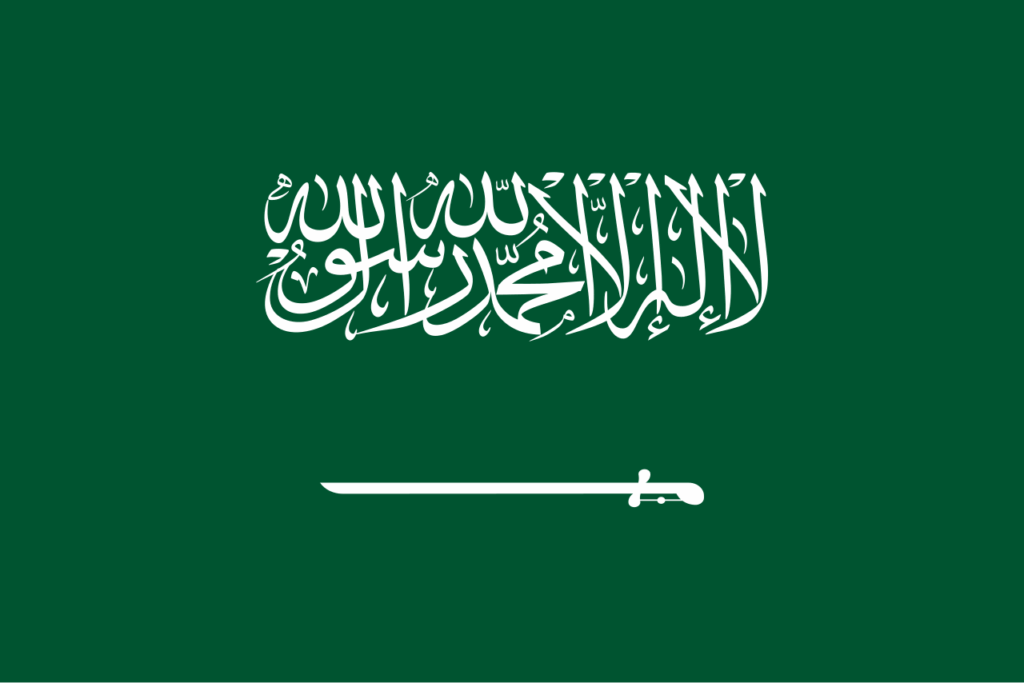
Kingdom of Saudi Arabia (al-Mamlaka al-ʿArabiyya as-Suʿūdiyya) (1932 – present)
Heads of State of the Kingdom of Saudi Arabia
History
The modern Saudi state was created by Abdulaziz Ibn Saud, who emerged from the central Arabian region of Nejd, where the House of Saud had established earlier emirates in alliance with the reformist Islamic movement known as Wahhabism. From this base, Ibn Saud gradually expanded his control, culminating in the conquest of Hejaz (the western region containing the holy cities of Mecca and Medina) in the 1920s. Initially, Ibn Saud continued to reign over Nejd and Hejaz separately. This arrangement came to an end on September 23 1932 with the issuance of the Declaration of the Unification of Saudi Arabia. This officially brought the modern kingdom into being, with Ibn Saud as the first King of Saudi Arabia.
This dual legacy continued to shape the monarchy’s institutional character. Nejd provided the political and dynastic core of the Saudi state, while Hejaz contributed international prestige and religious centrality within the Islamic world. The king’s authority thus rests not only on dynastic leadership of the Saudi family but also on stewardship of Islam’s holiest sites, reinforcing the close relationship between political power and religious legitimacy. Unlike constitutional monarchies, power remains highly centralized in the king, though governance is exercised in conjunction with senior princes, the Council of Ministers, and the religious establishment.
Succession has historically followed an agnatic seniority model within the House of Saud, passing among the sons of Ibn Saud rather than directly from father to son. This produced a succession of rulers down to the current king, Salman, who were all children of Ibn Saud. The current crown prince, King Salman’s son Mohammed bin Salman, is expected to become the first king from a new generation when he takes the throne.
List of Kings of Saudi Arabia
Kings of Saudi Arabia
Name
Royal House
Dates of Reign
Abdulaziz bin Abdul Rahman Al Saud
Date of birth/date of death:
Born January 15 1875. Died November 9 1953.
House of Saud
September 23 1932 – November 9 1953
Saud bin Abdulaziz Al Saud
Date of birth/date of death:
Born January 12 1902. Died February 23 1969.
House of Saud
November 9 1953 – November 2 1964
Faisal bin Abdulaziz Al Saud
Date of birth/date of death:
Born April 14 1906. Died March 25 1975.
House of Saud
November 2 1964 – March 25 1975
Khalid bin Abdulaziz Al Saud
Date of birth/date of death:
Born February 13 1913. Died June 13 1982.
House of Saud
March 25 1975 – June 13 1982
Fahd bin Abdulaziz Al Saud
Date of birth/date of death:
Born March 16 1921. Died August 1 2005.
House of Saud
June 13 1982 – August 1 2005
Abdullah bin Abdulaziz Al Saud
Date of birth/date of death:
Born August 1 1924. Died January 23 2015.
House of Saud
August 1 2005 – January 23 2015
Salman bin Abdulaziz Al Saud
Date of birth/date of death:
Born December 31 1935.
House of Saud
January 23 2015 – present
Heads of Government of the Kingdom of Saudi Arabia
History
The office of prime minister of Saudi Arabia occupies an unusual position within the kingdom’s political system, as it has historically been inseparable from the monarchy itself. From the formal establishment of the Council of Ministers in 1953 until 2022, the king has usually served concurrently as prime minister, making the role effectively an extension of the monarch’s executive authority rather than an independent head of government in the conventional sense. In this structure, Saudi Arabia differed from both parliamentary systems, where the prime minister is politically dominant, and even many monarchies with appointed governments, as the concentration of power in the king left little institutional distinction between head of state and head of government.
In practice, the day-to-day functions of government have long been delegated to the crown prince or other senior members of the House of Saud, who typically serve as deputy prime minister and oversee key portfolios. This arrangement allowed for continuity of governance during periods of royal illness or transition, and it reinforced the collective, family-based nature of political authority within the Saudi system. The Council of Ministers itself functions as the central administrative body, coordinating policy across the state, but it operates under the direct authority of the king (or his designated deputy), rather than as a cabinet responsible to a legislature.
There have been two periods in the kingdom’s history in which an individual who wasn’t the king held of the office of prime minister. Under King Saud, growing political and financial tensions led to the appointment of Crown Prince Faisal as prime minister in 1958, effectively transferring day-to-day executive authority to him. The premiership subsequently became the focal point of a power struggle between Saud and Faisal, who alternated in holding the office until 1964, when Faisal deposed Saud and assumed the throne. Another notable institutional shift occurred in 2022, when King Salman bin Abdulaziz appointed Crown Prince Mohammed bin Salman as prime minister. This reflects the contemporary consolidation of executive power in the hands of the crown prince and the ongoing generational transition within the ruling family.
List of Prime Ministers of Saudi Arabia
Prime Ministers of Saudi Arabia
Name
Political Party
Dates in Office
Saud bin Abdulaziz Al Saud
Date of birth/date of death:
Born January 15 1902. Died February 23 1969.
Non-Partisan
October 9 1953 – August 16 1954
Faisal bin Abdulaziz Al Saud
Date of birth/date of death:
Born April 14 1906. Died March 25 1975.
Non-Partisan
August 16 1954 – December 21 1960
Saud bin Abdulaziz Al Saud
Date of birth/date of death:
Born January 15 1902. Died February 23 1969.
Non-Partisan
December 21 1960 – October 31 1962
Faisal bin Abdulaziz Al Saud
Date of birth/date of death:
Born April 14 1906. Died March 25 1975.
Non-Partisan
October 31 1962 – March 25 1975
Khalid bin Abdulaziz Al Saud
Date of birth/date of death:
Born February 13 1913. Died June 13 1982.
Non-Partisan
March 25 1975 – June 13 1982
Fahd bin Abdulaziz Al Saud
Date of birth/date of death:
Born March 16 1921. Died August 1 2005.
Non-Partisan
June 13 1982 – August 1 2005
Abdullah bin Abdulaziz Al Saud
Date of birth/date of death:
Born August 1 1924. Died January 23 2015.
Non-Partisan
August 1 2005 – January 23 2015
Salman bin Abdulaziz Al Saud
Date of birth/date of death:
Born December 31 1935.
Non-Partisan
January 23 2015 – September 27 2022
Mohammed bin Salman Al Saud
Date of birth/date of death:
Born August 31 1985.
Non-Partisan
September 27 2022 – present
Deputy Heads of Government of the Kingdom of Saudi Arabia
History
The office of deputy prime minister of Saudi Arabia has historically functioned as the principal supporting role to the monarch within the executive branch, and in practice has been closely tied to the position of crown prince. Established alongside the Council of Ministers in 1953, the deputy premiership developed as a mechanism for delegating day-to-day governance while preserving the concentration of formal authority in the king.
In most cases, the deputy prime minister has been the designated heir apparent from the House of Saud, reflecting the office’s role as both a training ground for future kings and a means of ensuring continuity of government.
List of Deputy Prime Ministers of Saudi Arabia
First Deputy Prime Ministers of Saudi Arabia
Name
Political Party
Dates in Office
Faisal bin Abdulaziz Al Saud
Date of birth/date of death:
Born April 14 1906. Died March 25 1975.
Non-Partisan
October 9 1953 – August 16 1954
The office of First Deputy Prime Minister of Saudi Arabia was vacant between 1954 and 1960.
Faisal bin Abdulaziz Al Saud
Date of birth/date of death:
Born April 14 1906. Died March 25 1975.
Non-Partisan
December 21 1960 – October 31 1962
Khalid bin Abdulaziz Al Saud
Date of birth/date of death:
Born February 13 1913. Died June 13 1982.
Non-Partisan
October 31 1962 – March 25 1975
Fahd bin Abdulaziz Al Saud
Date of birth/date of death:
Born March 16 1921. Died August 1 2005.
Non-Partisan
March 25 1975 – June 13 1982
Abdullah bin Abdulaziz Al Saud
Date of birth/date of death:
Born August 1 1924. Died January 23 2015.
Non-Partisan
June 13 1982 – August 1 2005
Sultan bin Abdulaziz Al Saud
Date of birth/date of death:
Born August 31 1985.
Non-Partisan
August 1 2005 – October 22 2011
Nayef bin Abdulaziz Al Saud
Date of birth/date of death:
Born October 9 1934. Died June 16 2012.
Non-Partisan
October 28 2011 – June 16 2012
Salman bin Abdulaziz Al Saud
Date of birth/date of death:
Born December 31 1935.
Non-Partisan
June 18 2012 – January 23 2015
Muqrin bin Abdulaziz Al Saud
Date of birth/date of death:
Born September 15 1945.
Non-Partisan
January 23 2015 – April 29 2015
Muhammad bin Nayef Al Saud
Date of birth/date of death:
Born August 30 1959.
Non-Partisan
April 29 2015 – June 21 2017
Mohammed bin Salman Al Saud
Date of birth/date of death:
Born August 31 1985.
Non-Partisan
June 21 2017 – September 27 2022
The office of First Deputy Prime Minister of Saudi Arabia has been vacant since September 27 2022.
Second Deputy Prime Ministers of Saudi Arabia
Name
Political Party
Dates in Office
Fahd bin Abdulaziz Al Saud
Date of birth/date of death:
Born March 16 1921. Died August 1 2005.
Non-Partisan
1967 – March 25 1975
Abdullah bin Abdulaziz Al Saud
Date of birth/date of death:
Born August 1 1924. Died January 23 2015.
Non-Partisan
March 25 1975 – June 13 1982
Sultan bin Abdulaziz Al Saud
Date of birth/date of death:
Born August 31 1985.
Non-Partisan
June 13 1982 – August 1 2005
The office of Second Deputy Prime Minister of Saudi Arabia was vacant between August 1 2005 and March 27 2009.
Nayef bin Abdulaziz Al Saud
Date of birth/date of death:
Born October 9 1934. Died June 16 2012.
Non-Partisan
March 27 2009 – October 28 2011
The office of Second Deputy Prime Minister of Saudi Arabia was vacant between October 28 2011 and February 1 2013.
Muqrin bin Abdulaziz Al Saud
Date of birth/date of death:
Born September 15 1945.
Non-Partisan
February 1 2013 – January 23 2015
Muhammad bin Nayef Al Saud
Date of birth/date of death:
Born August 30 1959.
Non-Partisan
January 23 2015 – April 29 2015
Mohammed bin Salman Al Saud
Date of birth/date of death:
Born August 31 1985.
Non-Partisan
April 29 2015 – June 21 2017
The office of Second Deputy Prime Minister of Saudi Arabia has been vacant since June 21 2017.