Welcome!
Welcome to Global Political History! My goal with this website is to provide human-produced and curated material on politics around the world, from the perspective of an amateur historian. This includes lists of heads of state and government for states past and present as well as members of cabinets and legislatures in some cases, as well as information and data pertaining to elections, and some of my own analysis.
Below you can find a directory of states as well as non-state organizations and institutions, as well as links to things that I’ve written and recent updates.
Today’s Events
Today is Tuesday, September 15, 2026.
Born on this day:
- 1830: Porfirio Díaz | President of Mexico (1876, 1877 – 1880, 1884 – 1911) | d. 1915
- 1835: Richard Olney | U.S. Attorney General (1893 – 1895); U.S. Secretary of State (1895 – 1897) | d. 1917
- 1857: William Howard Taft | U.S. Solicitor General (1890 – 1892); Judge of the U.S. Court of Appeals for the Sixth Circuit (1892 – 1900); Governor-General of the Philippines (1901 – 1904); U.S. Secretary of War (1904 – 1908); Republican Party presidential nominee (1908, 1912); President of the United States (1909 – 1913); Chief Justice of the United States (1921 – 1930) | d. 1930
- 1896: Eduardo Lonardi | President of Argentina (1955) | d. 1956
- 1904: Umberto II | King of Italy (1946) | d. 1983
- 1913: John N. Mitchell | U.S. Attorney General (1969 – 1972) | d. 1988
- 1926: Ed Derwinski | U.S. Representative from Illinois (1959 – 1983); U.S. Secretary of Veterans Affairs (1989 – 1992) | d. 2012
- 1937: Gordon R. England | U.S. Secretary of the Navy (2001 – 2006) | 89 years old
- 1937: Fernando de la Rúa | President of Argentina (1999 – 2001) | d. 2019
- 1942: Wen Jiabao | Vice Premier of the People\'s Republic of China (1998 – 2003); Premier of the People\'s Republic of China (2003 – 2013) | 84 years old
There are no historical events today in our database.
Directory
Current States
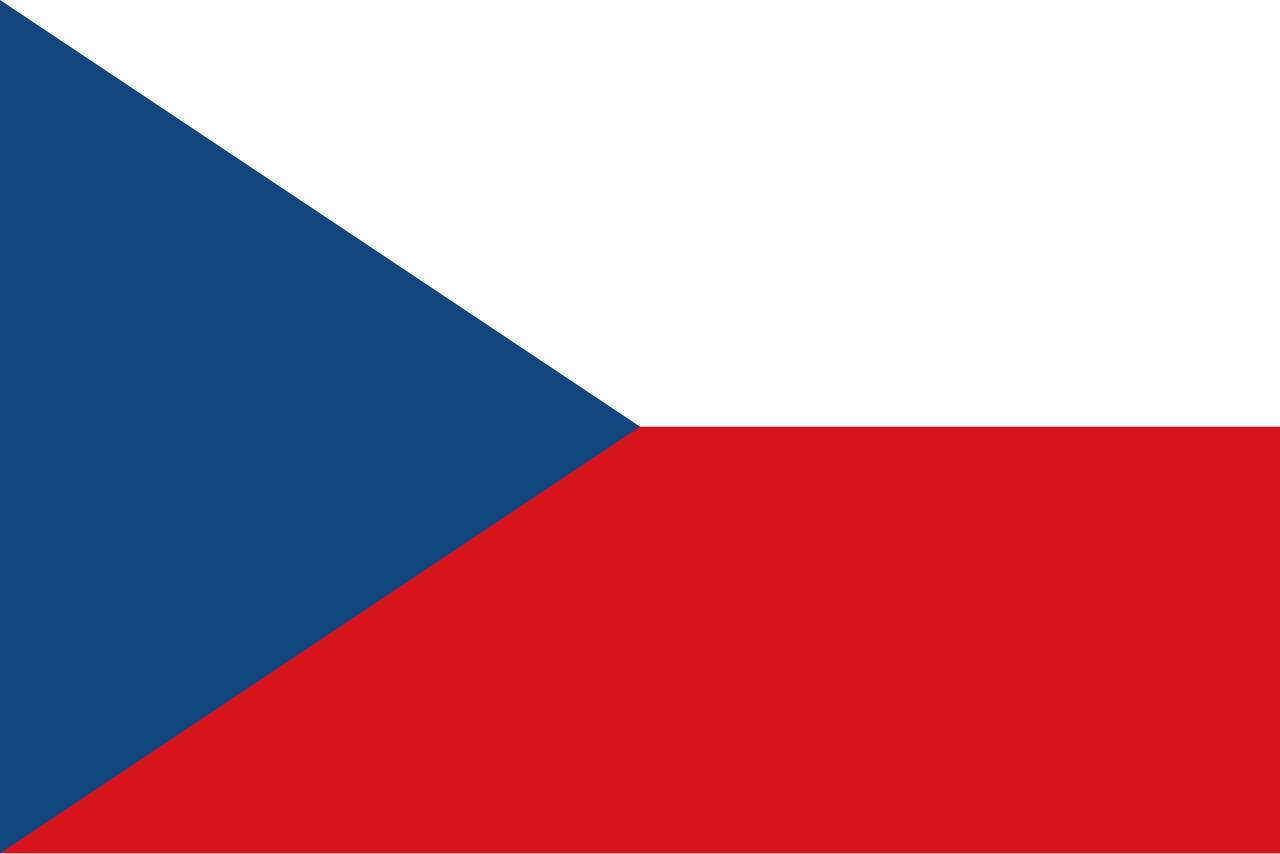
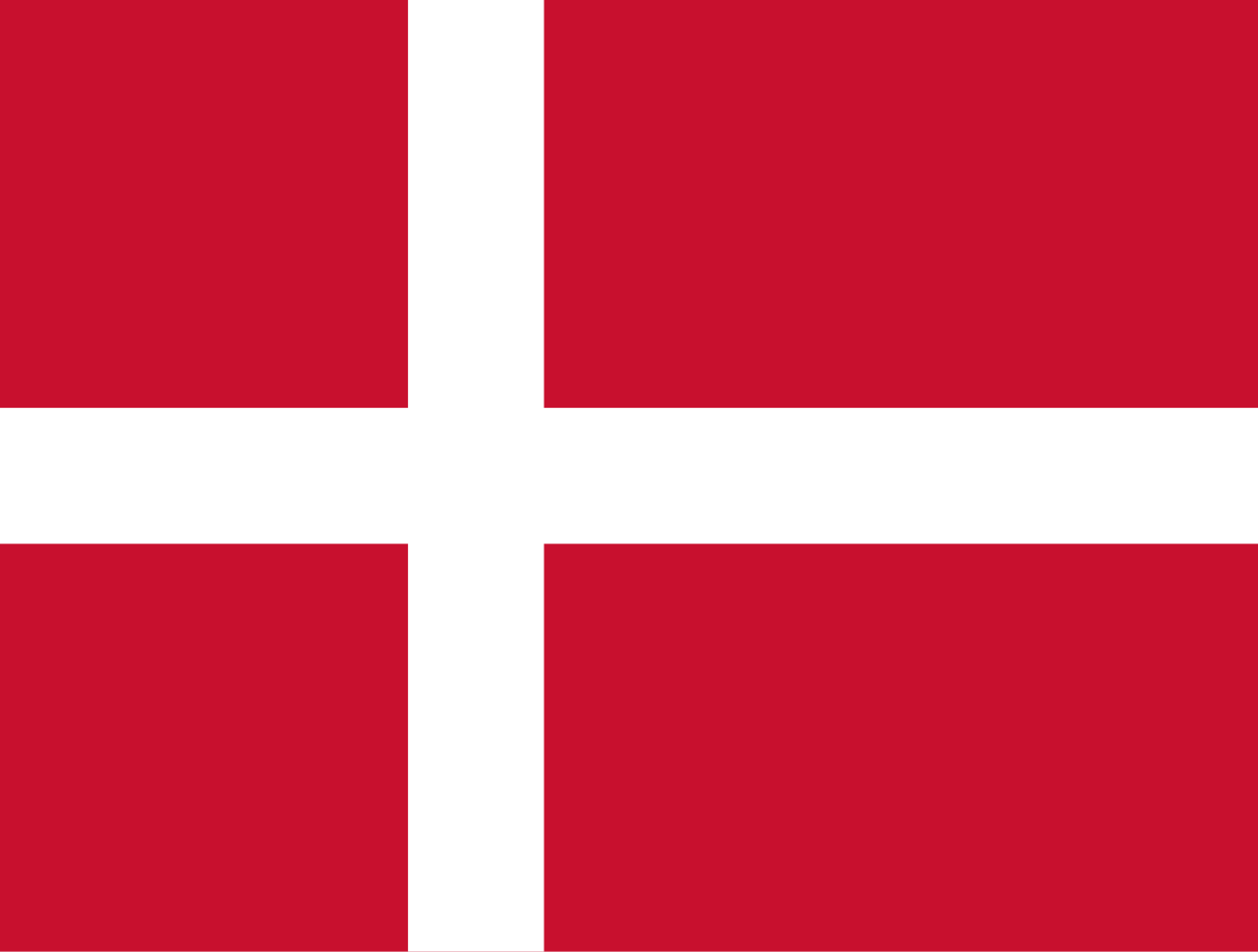
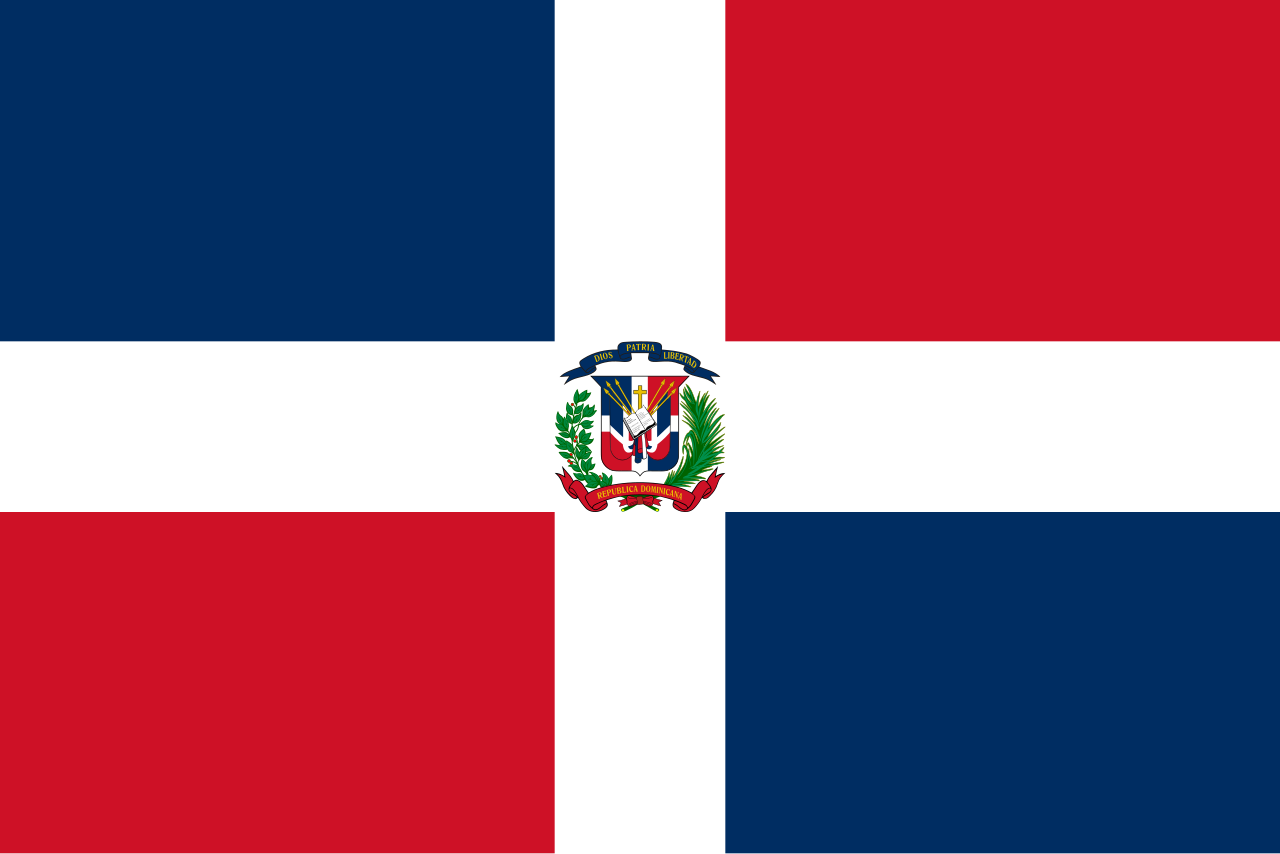
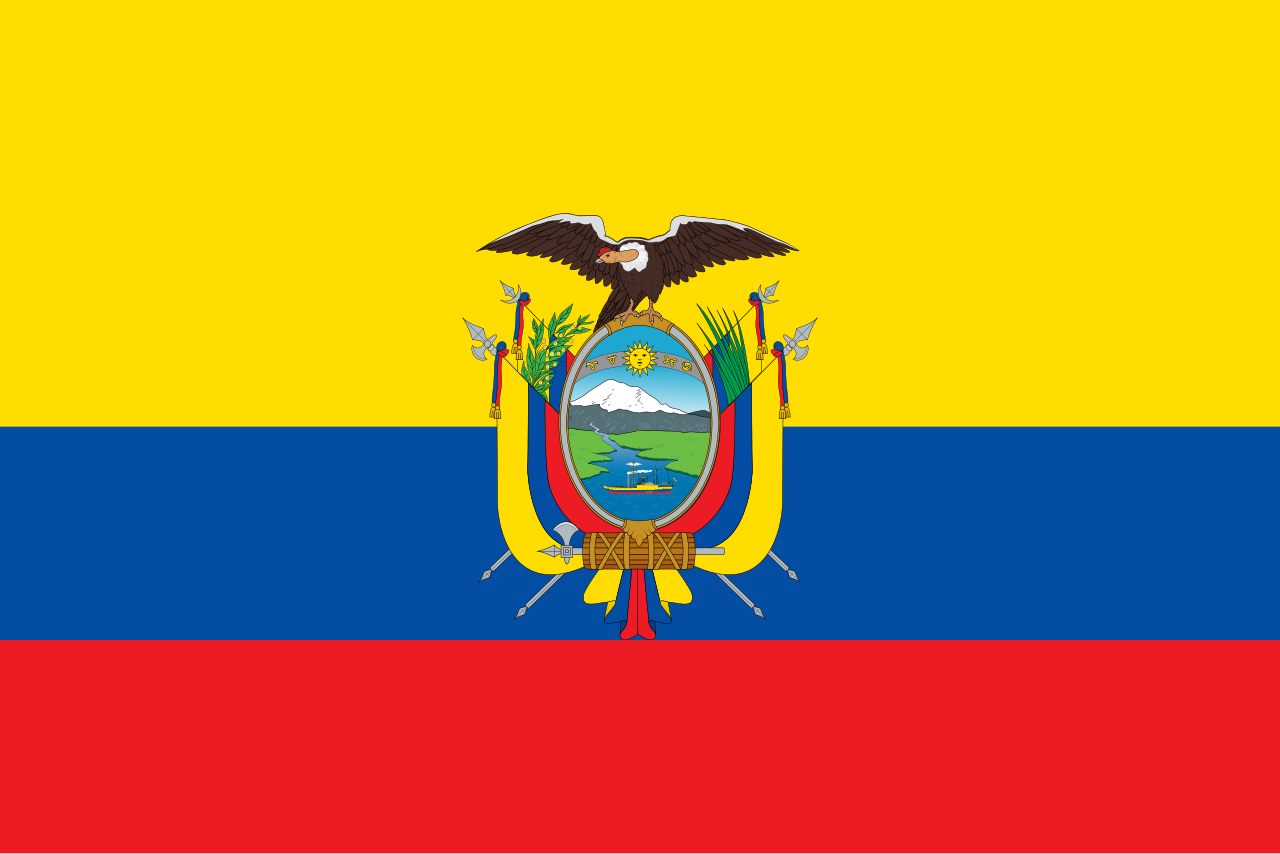
This section includes the currently-existing sovereign states that have been added to the website thus far. Click on a country’s name to find the page for that country.
- Federal Government: Cabinet of Canada, Parliament of Canada, federal judiciary.
- Provinces and Territories: Alberta, British Columbia, Manitoba, New Brunswick, Newfoundland and Labrador, Northwest Territories, Nova Scotia, Nunavut, Ontario, Prince Edward Island, Quebec, Saskatchewan, Yukon.
- Other Offices: Canadian ambassadors, Canadian military, Canadian city governments, Canadian political parties.
Swiss Confederation (Switzerland)
- Executive Branch: Cabinet of the United States, Executive Office of the President.
- Legislative Branch: United States Senate, United States House of Representatives.
- Judicial Branch: Federal judiciary.
- States: Alabama, Alaska, Arizona, Arkansas, California, Colorado, Connecticut, Delaware, Florida, Georgia, Hawaii, Idaho, Illinois, Indiana, Iowa, Kansas, Kentucky, Louisiana, Maine, Maryland, Massachusetts, Michigan, Minnesota, Mississippi, Missouri, Montana, Nebraska, Nevada, New Hampshire, New Jersey, New Mexico, New York, North Carolina, North Dakota, Ohio, Oklahoma, Oregon, Pennsylvania, Rhode Island, South Carolina, South Dakota, Tennessee, Texas, Utah, Vermont, Virginia, Washington, West Virginia, Wisconsin, Wyoming.
- Other Offices: U.S. ambassadors, U.S. colonies overseas, independent U.S. federal government agencies, U.S. intelligence agencies, U.S. military, U.S. city governments, U.S. political parties.





Past States
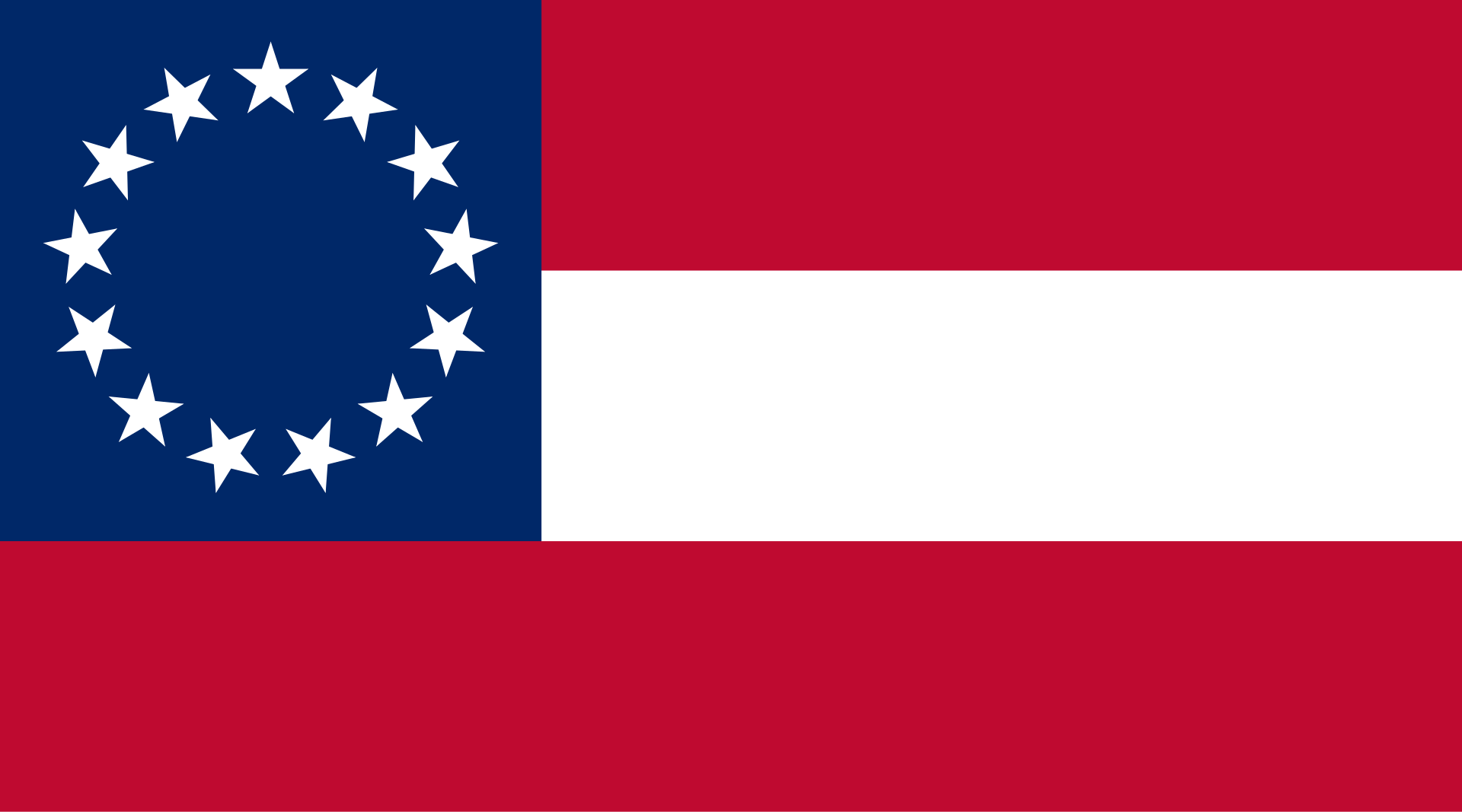
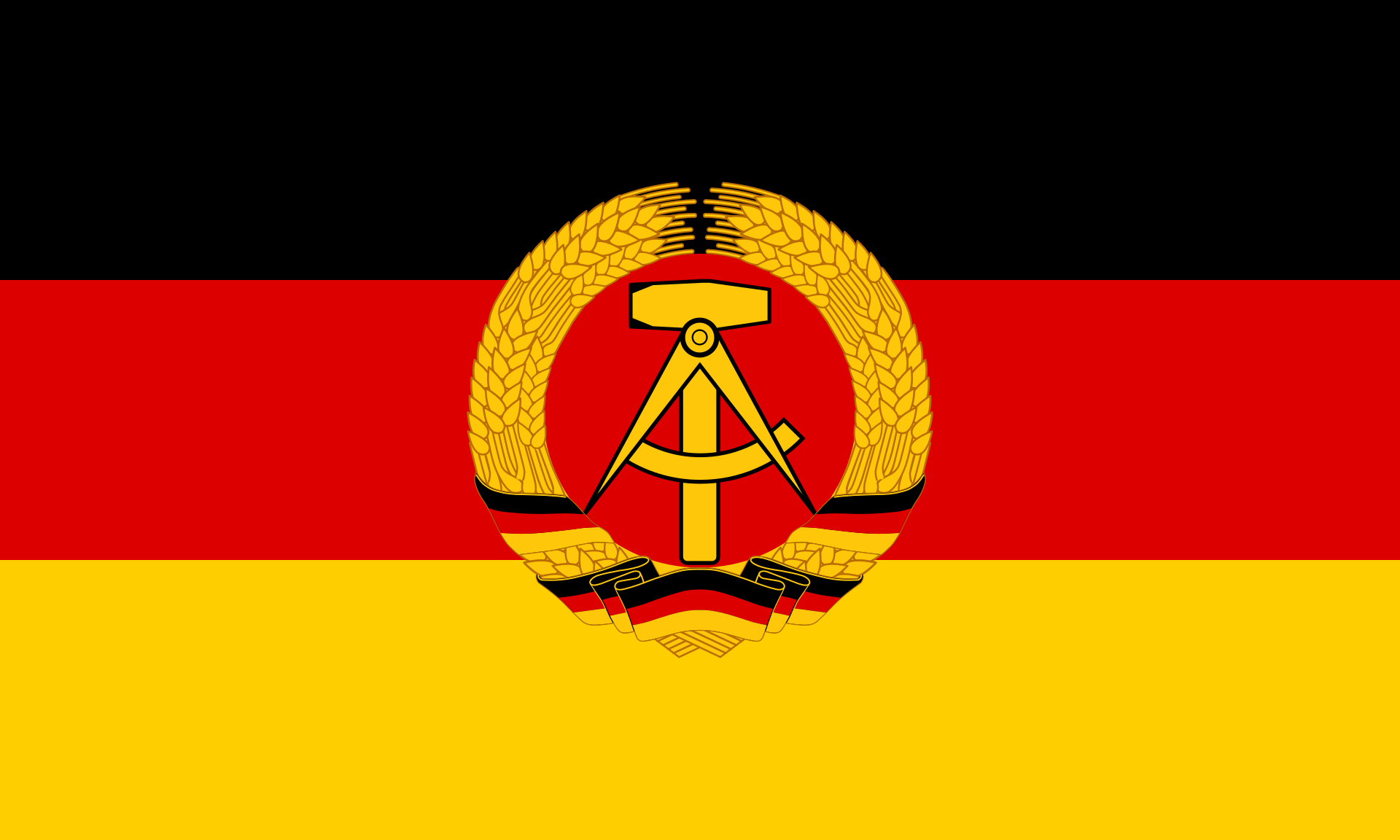
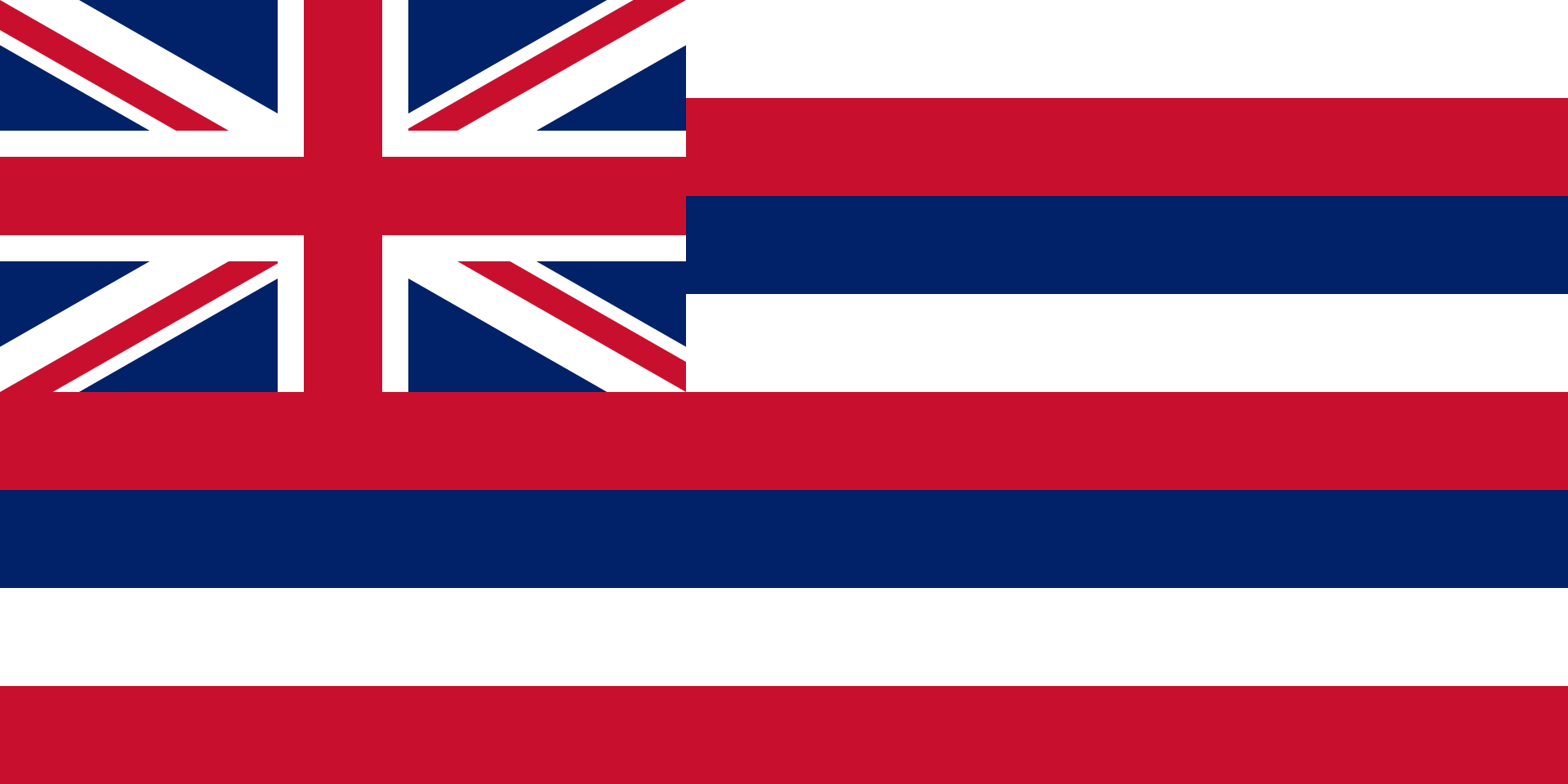
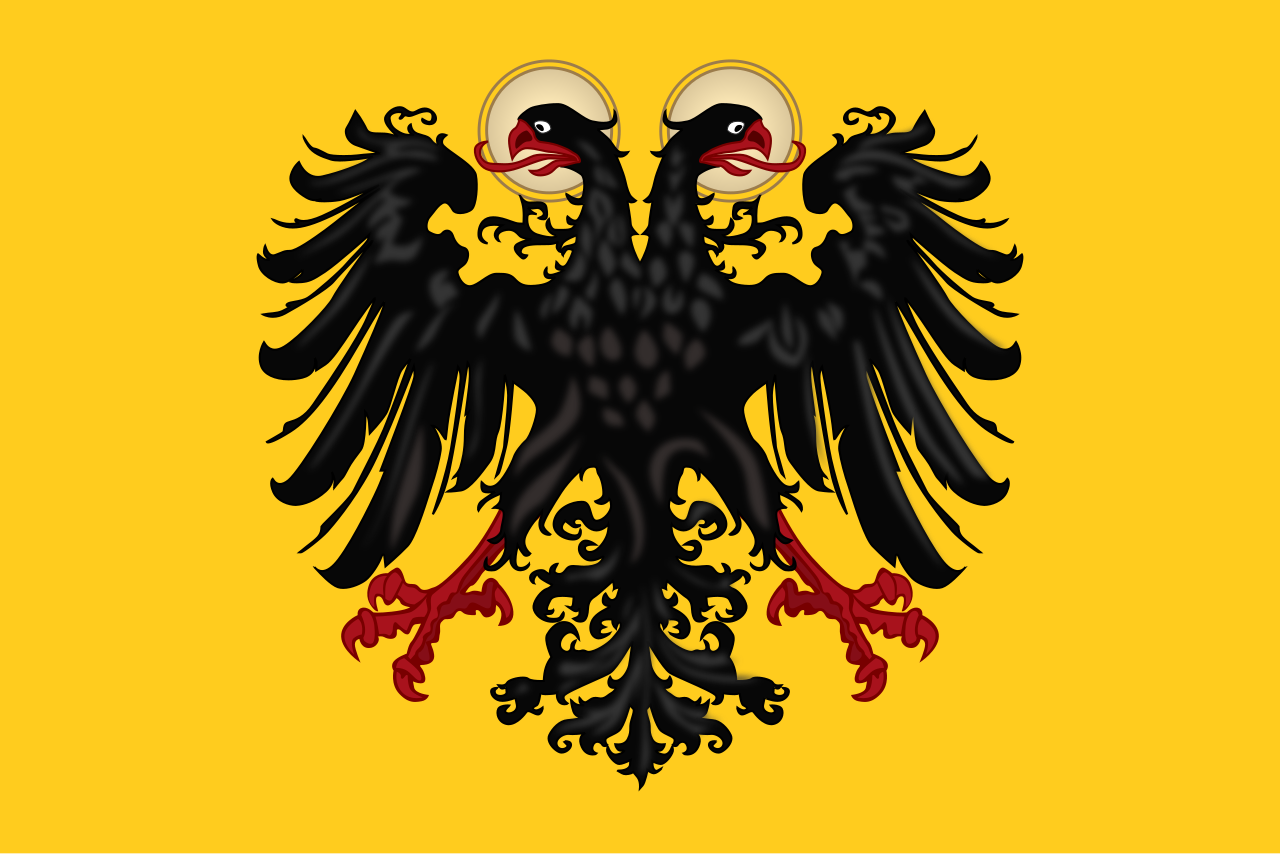
This section includes states that no longer exist and have no successor states. The decision to include a particular state here is sometimes easy; for example, the Roman Empire clearly no longer exists. In other cases, however, I have judged that it makes more sense to include a past state under the heading of a currently-existing state. So, for instance, the Russian Empire and the Soviet Union can be found on the Russia page; the Ottoman Empire can be found on the page for Turkey, and so on.
These are sometimes subjective judgements, and they do to some extent require taking a stance on the continuity between different regimes. Should the Holy Roman Empire, which was largely based in what is today Germany for most of its history, be regarded as a predecessor state of modern Germany? (In that particular case, I have chosen not to organize things that way). And many modern nation-states will make claims to great antiquity that assume an unbroken connection between the currently-existing state and the distant past that rarely have much basis in reality.
As a general rule, I have chosen to treat past states as the predecessors of modern states when there has been some sort of direct institutional continuity. Thus, for example, the Soviet Union becomes Russia, the Ottoman Empire becomes Turkey, and so on.
International Institutions
This section covers a wide variety of institutions that are (in most cases) not states, ranging from international organizations such as the United Nations to central banks to religious institutions. In the latter case, religious institutions such as the Roman Catholic Church and the Islamic Caliphate did indeed physically occupy territory in which they exercised sovereign authority (and still do, in the case of the Catholic Church). Nevertheless, their claims to spiritual authority extended well beyond the territory they physically occupied, and so they are treated here as international institutions rather than as states.


Updates
- September 13, 2026
- September 8, 2026
- September 7, 2026
- September 5, 2026
- August 29, 2026
- August 27, 2026
- August 25, 2026
- August 24, 2026
- August 23, 2026
- August 22, 2026
- August 21, 2026
- August 20, 2026
-
August 19, 2026
-
 Completed
Members of the Parliament of Canada for Hamilton Centre,
Members of the Parliament of Canada for Hastings—Lennox and Addington—Tyendinaga,
and
Members of the Parliament of Canada for Kapuskasing—Timmins—Mushkegowuk.
Completed
Members of the Parliament of Canada for Hamilton Centre,
Members of the Parliament of Canada for Hastings—Lennox and Addington—Tyendinaga,
and
Members of the Parliament of Canada for Kapuskasing—Timmins—Mushkegowuk.
-
 Completed
U.S. Representatives from Oklahoma’s 5th Congressional District.
Completed
U.S. Representatives from Oklahoma’s 5th Congressional District.
-
- August 18, 2026
- August 17, 2026
- August 16, 2026
- August 15, 2026
-
August 14, 2026
-
Completed the
Members of the Parliament of Canada for Davenport.
-
- August 13, 2026
- August 12, 2026
-
August 11, 2026
-
Completed the
Members of the Parliament of Canada for Beaches—East York.
-
Completed the
U.S. Senators from Texas (Class 2).
-
- August 10, 2026
-
August 9, 2026
-
Completed the
U.S. Senators from Texas (Class 1).
-
-
July 29, 2026
-
Completed the
Members of the Parliament of Canada for York Centre.
-
-
July 24, 2026
- Added Events on this Day to the main page.
-
Completed the
U.S. Representatives from Texas’ At-Large Congressional District.
- July 23, 2026
- July 22, 2026
- July 21, 2026
-
July 20, 2026
-
Completed the
Members of the Parliament of Canada for Toronto—Danforth.
-
Completed the
U.S. Representatives from Texas’ 32nd Congressional District,
the
U.S. Representatives from Texas’ 33rd Congressional District,
the
U.S. Representatives from Texas’ 34th Congressional District,
and the
U.S. Representatives from Texas’ 35th Congressional District.
-
-
July 19, 2026
-
Completed the
Members of the Parliament of Canada for Toronto Centre.
-
Completed the
U.S. Representatives from Texas’ 28th Congressional District,
the
U.S. Representatives from Texas’ 29th Congressional District,
the
U.S. Representatives from Texas’ 30th Congressional District,
and the
U.S. Representatives from Texas’ 31st Congressional District.
-
-
July 16, 2026
-
Completed the
Members of the Parliament of Canada for Sudbury.
-
 Completed the
Presidents of Turkmenistan (1990 – present).
Completed the
Presidents of Turkmenistan (1990 – present).
-
Completed the
U.S. Representatives from Texas’ 27th Congressional District.
-
-
July 15, 2026
-
Completed the
Members of the Parliament of Canada for Stormont—Dundas—Glengarry.
-
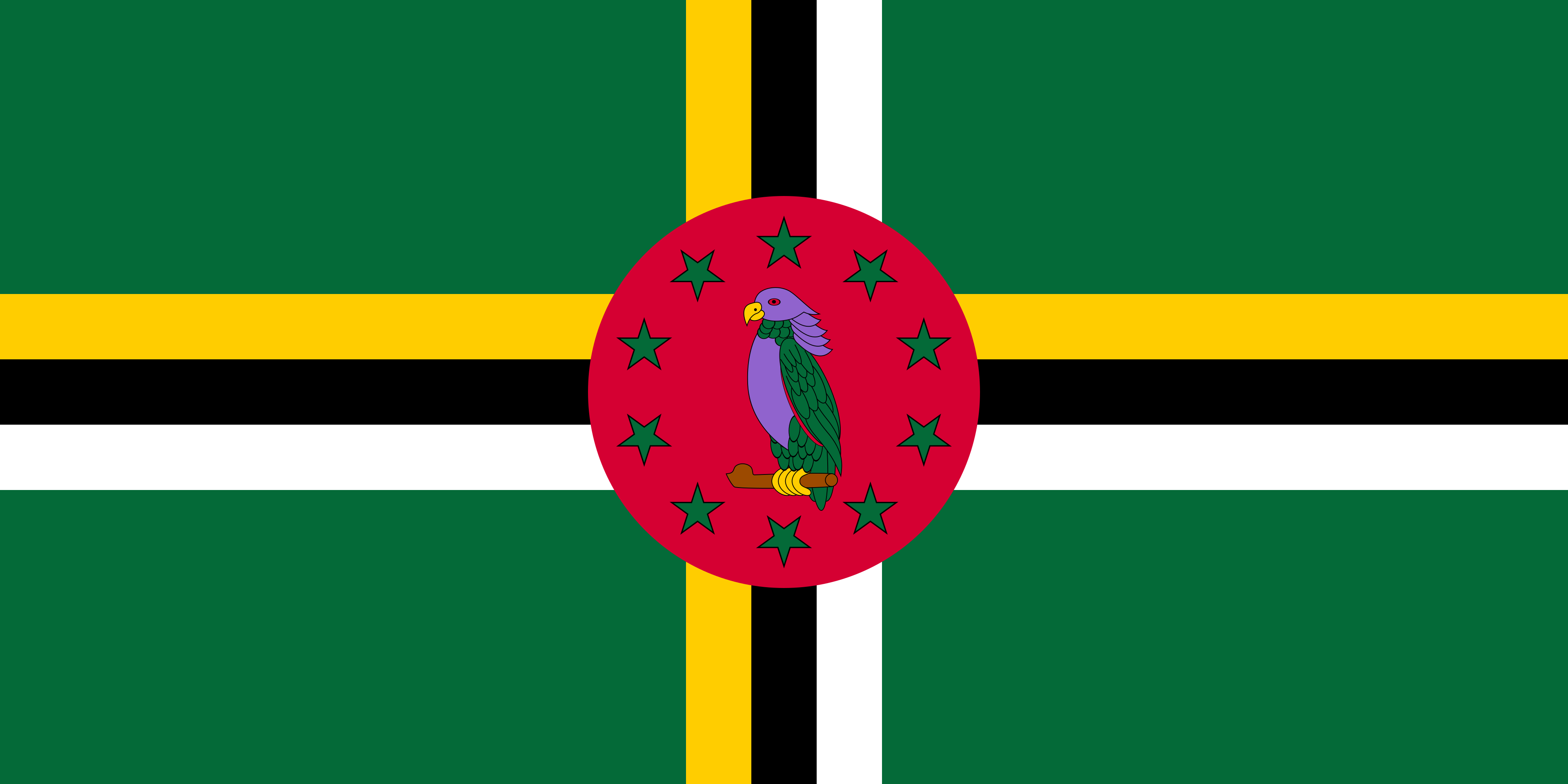 Completed the
Presidents of Dominica.
Completed the
Presidents of Dominica.
-
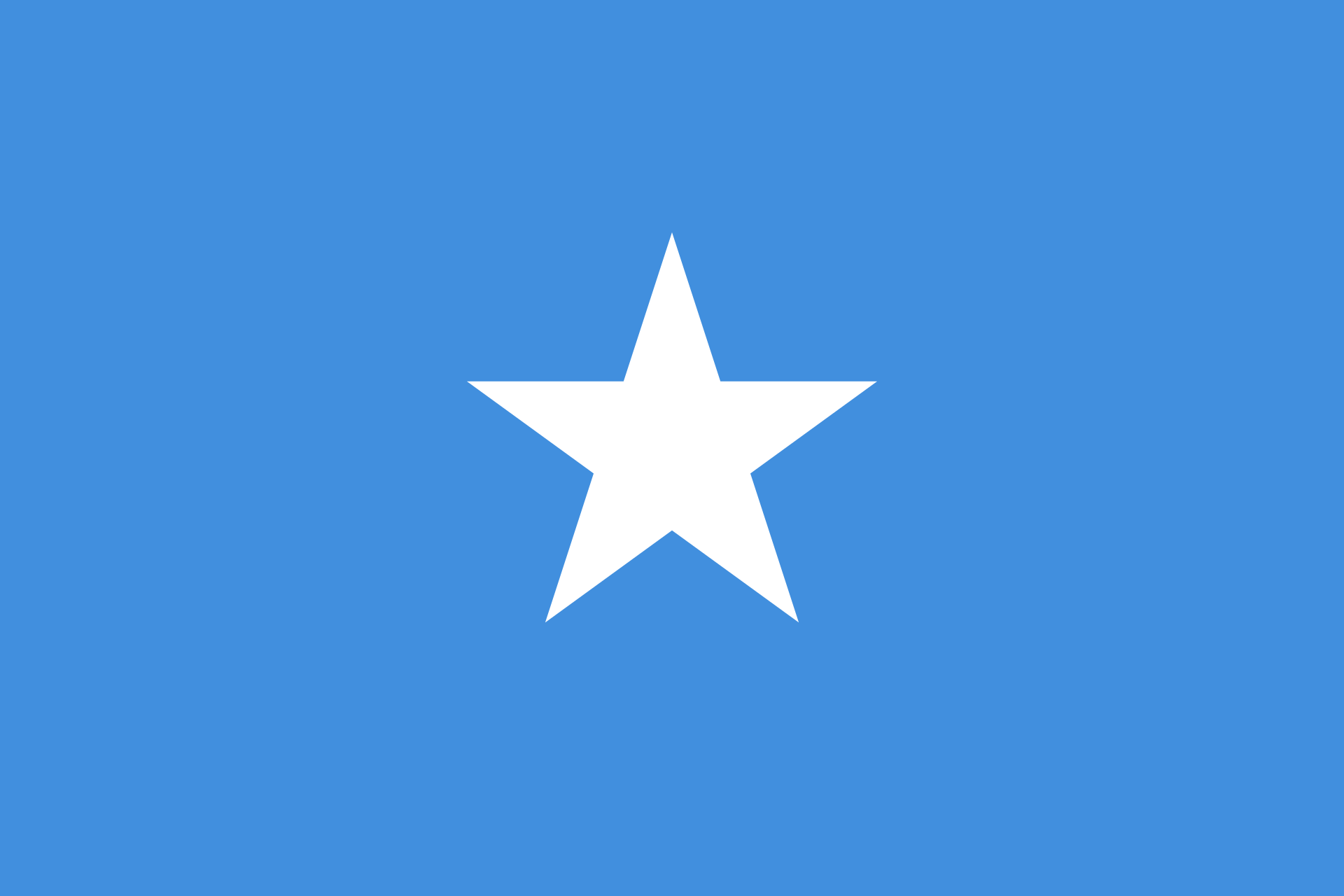 Completed the
Presidents of the Federal Republic of Somalia (2012 – present).
Completed the
Presidents of the Federal Republic of Somalia (2012 – present).
-
Completed the
U.S. Representatives from Texas’ 25th Congressional District
and the
U.S. Representatives from Texas’ 26th Congressional District.
-
-
July 14, 2026
-
Completed the
Members of the Parliament of Canada for Simcoe North.
-
Completed the
U.S. Representatives from Texas’ 24th Congressional District.
-
-
July 7, 2026
-
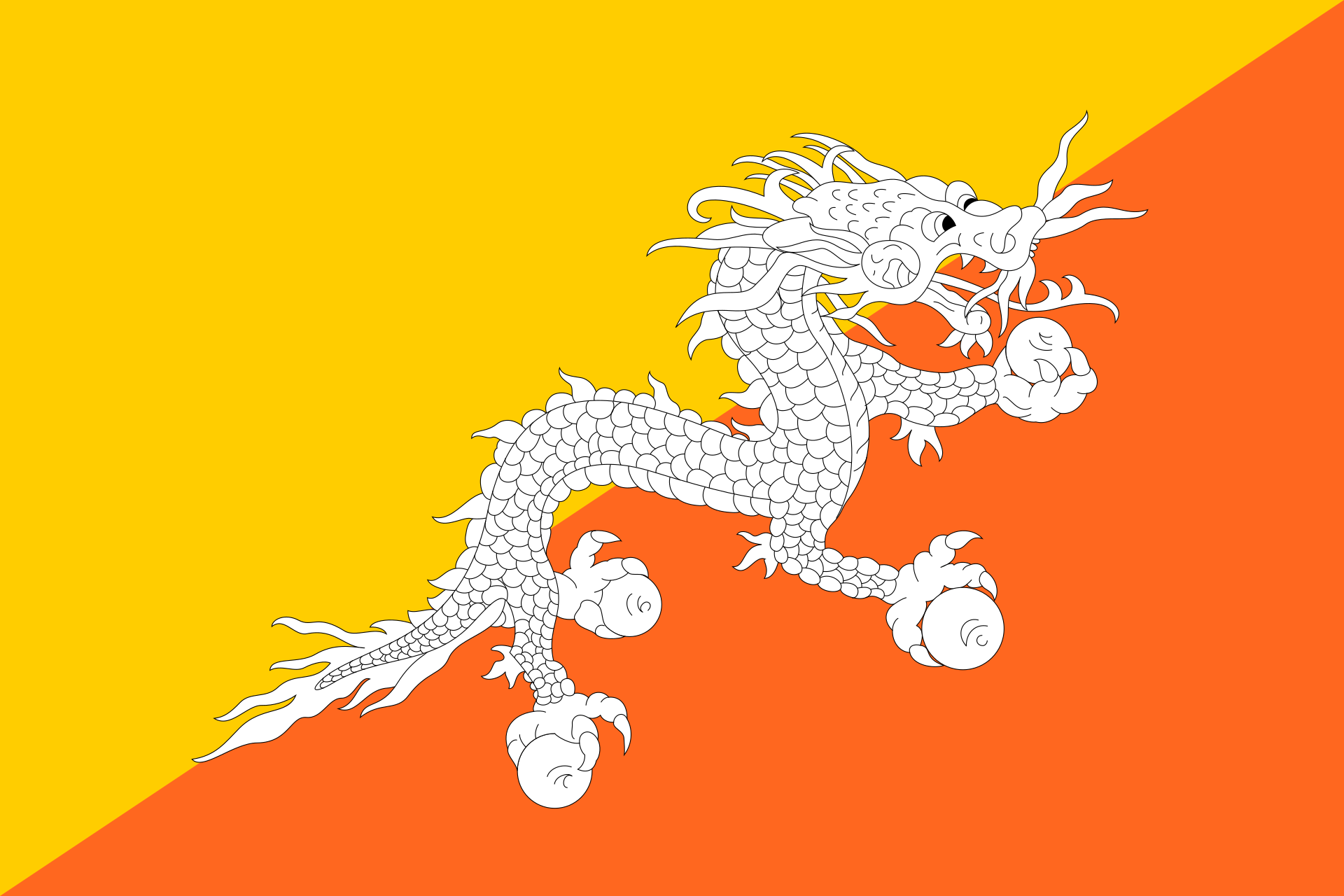 Completed the
Kings of Bhutan.
Completed the
Kings of Bhutan.
-
Completed the
U.S. Representatives from Texas’ 23rd Congressional District.
-
- July 6, 2026
-
July 5, 2026
-
 Completed the
Presidents of the Republic of Côte d’Ivoire.
Completed the
Presidents of the Republic of Côte d’Ivoire.
-
Completed the
U.S. Representatives from Texas’ 21st Congressional District.
-
-
July 4, 2026
-
Completed the
Members of the Parliament of Canada for Prescott—Russell—Cumberland.
-
 Completed the
Emperors of Japan (660 BCE – 539 CE).
Completed the
Emperors of Japan (660 BCE – 539 CE).
-
Completed the
U.S. Representatives from Texas’ 20th Congressional District.
-
- July 3, 2026
-
July 2, 2026
-
Completed the
Members of the Parliament of Canada for Ottawa—Vanier—Gloucester.
-
 Completed the
Presidents of Timor-Leste (2002 – present).
Completed the
Presidents of Timor-Leste (2002 – present).
-
Completed the
U.S. Representatives from Texas’ 18th Congressional District.
-
-
July 1, 2026
-
Completed the
Members of the Parliament of Canada for Oshawa.
-
Completed the
U.S. Representatives from Texas’ 17th Congressional District.
-
-
June 30, 2026
-
 Completed the
Presidents of the Republic of Singapore.
Completed the
Presidents of the Republic of Singapore.
-
-
June 28, 2026
-
Completed the
Members of the Parliament of Canada for Ottawa Centre.
-
-
June 27, 2026
-
 Completed the
Presidents of the Republic of Malawi.
Completed the
Presidents of the Republic of Malawi.
-
Completed the
U.S. Representatives from Texas’ 16th Congressional District.
-
-
June 26, 2026
-
Completed the
Members of the Parliament of Canada for Orléans.
-
 Completed the
Presidents of the Swiss Confederation.
Completed the
Presidents of the Swiss Confederation.
-
Completed the
U.S. Representatives from Texas’ 15th Congressional District.
-
- June 19, 2026
-
June 18, 2026
-
 Completed the
Presidents of the Republic of Namibia.
Completed the
Presidents of the Republic of Namibia.
-
-
June 16, 2026
-
Completed the
Members of the Parliament of Canada for Niagara South.
-
Completed the
U.S. Representatives from Texas’ 13th Congressional District.
-
-
June 15, 2026
-
 Completed the
Heads of State of North Korea.
Completed the
Heads of State of North Korea.
-
- June 14, 2026
-
June 13, 2026
-
Completed the
Members of the Parliament of Canada for Mississauga—Streetsville.
-
 Completed the
Presidents of the People’s Republic of the Congo.
Completed the
Presidents of the People’s Republic of the Congo.
-
Completed the
U.S. Representatives from Texas’ 12th Congressional District.
-
-
June 12, 2026
-
Completed the
Members of the Parliament of Canada for London West.
-
 Completed the
Presidents of the Republic of the Congo (1992 – present).
Completed the
Presidents of the Republic of the Congo (1992 – present).
-
Completed the
U.S. Representatives from Texas’ 11th Congressional District.
-
-
June 11, 2026
-
Completed the
Members of the Parliament of Canada for Lanark—Frontenac.
-
 Completed the
Kings of Shang Dynasty China.
Completed the
Kings of Shang Dynasty China.
-
Completed the
U.S. Representatives from Texas’ 9th Congressional District
and the
U.S. Representatives from Texas’ 10th Congressional District.
-
-
June 10, 2026
-
 Completed the
Deputy Prime Ministers of Saudi Arabia.
Completed the
Deputy Prime Ministers of Saudi Arabia.
-
-
June 9, 2026
-
Completed the
Members of the Parliament of Canada for Kitchener Centre.
-
 Completed the
Governors-General of Saint Vincent and the Grenadines.
Completed the
Governors-General of Saint Vincent and the Grenadines.
-
Completed the
U.S. Representatives from Texas’ 8th Congressional District.
-
- June 8, 2026
-
June 7, 2026
-
 Completed the
Presidents of Cuba (1902 – 1959)
and the
Presidents of Cuba (1959 – present).
Completed the
Presidents of Cuba (1902 – 1959)
and the
Presidents of Cuba (1959 – present).
-
-
June 6, 2026
-
Completed the
Members of the Parliament of Canada for Huron—Bruce.
-
Completed the
U.S. Representatives from Texas’ 6th Congressional District.
-
- June 5, 2026
- June 4, 2026
- June 3, 2026
- June 2, 2026
- May 18, 2026
- April 27, 2026
-
April 26, 2026
-
 Completed the
Leaders of the Opposition of the United Kingdom.
Completed the
Leaders of the Opposition of the United Kingdom.
-
-
April 19, 2026
-
Completed the
U.S. House Committee on Transportation and Infrastructure
and its predecessor committees (Public Buildings and Grounds; Rivers and Harbors; Roads; Flood Control; Public Works; Public Works and Transportation).
-
- April 15, 2026
-
April 6, 2026
-
Completed the
U.S. House Committee on Small Business (1941 – present).
-
- April 5, 2026
-
April 3, 2026
-
Completed the
U.S. House Rules Committee (1849 – present).
-
- March 27, 2026
- March 26, 2026
-
March 23, 2026
-
 Completed
Prime Ministers of Spain (1975 – present).
Completed
Prime Ministers of Spain (1975 – present).
-
 Completed
Presidents of Turkey (1923 – present).
Completed
Presidents of Turkey (1923 – present).
-
Completed
Vice Presidents of Turkey (2018 – present).
-
- March 21, 2026
- March 20, 2026
- March 19, 2026
- March 17, 2026
- March 16, 2026
- March 15, 2026
- March 14, 2026
-
March 13, 2026
-
 Completed
Leaders of Free France (1940 – 1944).
Completed
Leaders of Free France (1940 – 1944).
-
 Completed
Heads of State in Nazi Germany (1933 – 1945).
Completed
Heads of State in Nazi Germany (1933 – 1945).
-
- March 12, 2026
-
March 10, 2026
-
Completed
Kings of Spain (1975 – present).
-







Older updates are available here.